
Cedarhurst (516) 374-3668
Franklin Square (516) 775-8440
Cedarhurst (516) 374-3668
Franklin Square (516) 775-8440
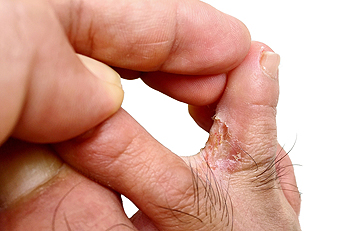
Athlete’s foot is a fungal infection that affects the skin of the feet, particularly between the toes. This condition, also known as tinea pedis, develops when fungi thrive in warm, moist environments, like sweaty shoes and locker rooms. It is extremely contagious and can spread through direct contact or shared surfaces. Athlete’s foot can affect anyone, not just athletes, and may become chronic if left untreated. Understanding this condition is essential for maintaining healthy skin and preventing the spread of infection to other areas of the body.
Symptoms of athlete’s foot often begin with itching, burning, and stinging sensations between the toes. The skin may appear red, scaly, or cracked, and in some cases, peeling or flaking may occur. Some individuals develop small blisters that can be painful and may lead to further skin breakdown. As the infection progresses, the affected area may become dry and thickened. In more severe cases, the infection can spread to the soles or toenails. This can cause further discomfort and complications that require prompt attention.
Several risk factors increase the likelihood of developing athlete’s foot. Wearing tight, non-breathable footwear creates a warm environment where fungi can grow easily. Walking barefoot in public places like pools, gyms, and locker rooms also raises the risk of exposure. Excessive sweating, poor foot hygiene, and not changing socks regularly contribute to moisture buildup. People with a weakened immune system or underlying health condition may be more susceptible. Identifying these risk factors can help guide prevention and reduce recurrence.
The primary cause of athletes' feet is exposure to dermatophyte fungi that invade the outer layer of skin. These organisms thrive in damp conditions and spread through contaminated surfaces or personal items. Preventive care includes keeping feet clean and dry, wearing moisture wicking socks, and choosing properly fitted shoes that allow ventilation. Avoiding shared footwear and practicing good foot hygiene are also important. If you have symptoms of athlete's foot, it is suggested that you consult a podiatrist for an accurate diagnosis and appropriate treatment, which may include prescribed medication.
Athlete’s Foot
Athlete’s foot is often an uncomfortable condition to experience. Thankfully, podiatrists specialize in treating athlete’s foot and offer the best treatment options. If you have any questions about athlete’s foot, consult with Robert Stein, DPM from South Shore Foot Care. Our doctor will assess your condition and provide you with quality treatment.
What Is Athlete’s Foot?
Tinea pedis, more commonly known as athlete’s foot, is a non-serious and common fungal infection of the foot. Athlete’s foot is contagious and can be contracted by touching someone who has it or infected surfaces. The most common places contaminated by it are public showers, locker rooms, and swimming pools. Once contracted, it grows on feet that are left inside moist, dark, and warm shoes and socks.
Prevention
The most effective ways to prevent athlete’s foot include:
Symptoms
Athlete’s foot initially occurs as a rash between the toes. However, if left undiagnosed, it can spread to the sides and bottom of the feet, toenails, and if touched by hand, the hands themselves. Symptoms include:
Diagnosis and Treatment
Diagnosis is quick and easy. Skin samples will be taken and either viewed under a microscope or sent to a lab for testing. Sometimes, a podiatrist can diagnose it based on simply looking at it. Once confirmed, treatment options include oral and topical antifungal medications.
If you have any questions, please feel free to contact our offices located in Cedarhurst and Franklin Square, NY . We offer the newest diagnostic and treatment technologies for all your foot care needs.

Pain in the ball of the foot, also called metatarsal pain, is a common problem that affects the area just behind the toes. It often develops from repeated pressure or uneven weight distribution when walking or standing. Wearing high-heeled shoes can force extra stress onto the front of the foot, leading to irritation and inflammation. Conditions such as arthritis may cause joint swelling and stiffness, while bunions can shift alignment and increase pressure in this area. Risk factors include foot shape, aging, and high impact activities. People may notice burning pain, tenderness, or a feeling of walking on a small stone. A podiatrist can identify the cause, use imaging, if needed, and provide custom orthotics or other treatments to relieve discomfort and improve function. If you have pain in this part of your foot, it is suggested that you consult a podiatrist who can provide effective relief and treatment solutions.
Foot Pain
Foot pain can be extremely painful and debilitating. If you have a foot pain, consult with Robert Stein, DPM from South Shore Foot Care. Our doctor will assess your condition and provide you with quality foot and ankle treatment.
Causes
Foot pain is a very broad condition that could be caused by one or more ailments. The most common include:
Diagnosis
To figure out the cause of foot pain, podiatrists utilize several different methods. This can range from simple visual inspections and sensation tests to X-rays and MRI scans. Prior medical history, family medical history, and any recent physical traumatic events will all be taken into consideration for a proper diagnosis.
Treatment
Treatment depends upon the cause of the foot pain. Whether it is resting, staying off the foot, or having surgery; podiatrists have a number of treatment options available for foot pain.
If you have any questions, please feel free to contact our offices located in Cedarhurst and Franklin Square, NY . We offer the newest diagnostic and treatment technologies for all your foot care needs.

You don't need an excuse to have beautiful nails. Step outside without worrying about the appearance of your feet.
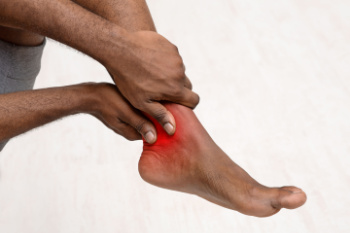
Psoriatic arthritis, also known as PsA, is an inflammatory arthritis that can affect people who have the autoimmune skin condition psoriasis. This condition may cause joint pain in the feet and ankles, and stiffness, and swelling that can make walking uncomfortable. It can also lead to plantar fasciitis and Achilles tendonitis, adding strain to the heel and surrounding tissues. Risk factors include a history of psoriasis, genetic factors, and immune system activity. Symptoms may include tenderness, warmth, reduced range of motion, and fatigue. A podiatrist can evaluate symptoms, provide supportive care, and recommend treatments to reduce inflammation and improve function. If you have any of the above symptoms, it is suggested that you consult a podiatrist who can offer effective relief and management solutions.
Arthritis can be a difficult condition to live with. If you are seeking treatment, contact Robert Stein, DPM from South Shore Foot Care. Our doctor can provide the care you need to keep you pain-free and on your feet.
Arthritic Foot Care
Arthritis is a joint disorder that involves the inflammation of different joints in your body, such as those in your feet. Arthritis is often caused by a degenerative joint disease and causes mild to severe pain in all affected areas. In addition to this, swelling and stiffness in the affected joints can also be a common symptom of arthritis.
In many cases, wearing ill-fitting shoes can worsen the effects and pain of arthritis. Wearing shoes that have a lower heel and extra room can help your feet feel more comfortable. In cases of rheumatoid arthritis, the arch in your foot may become problematic. Buying shoes with proper arch support that contour to your feet can help immensely.
Alleviating Arthritic Pain
It is best to see your doctor for the treatment that is right for your needs and symptoms. Conditions vary, and a podiatrist can help you determine the right method of care for your feet.
If you have any questions please feel free to contact our offices located in Cedarhurst and Franklin Square, NY . We offer the newest diagnostic tools and technology to treat your foot and ankle needs.
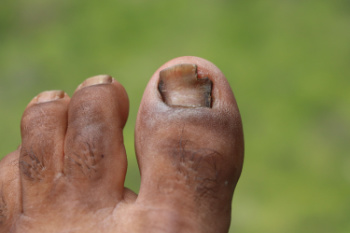
Fungal toenail infections develop when fungi enter through small cracks in the nail, causing thickened, discolored, and brittle nails. These infections often return because fungi thrive in warm, moist environments like sweaty shoes and public spaces. Reinfection can also happen if treatment is stopped too soon or shoes are not properly disinfected. Beyond over-the-counter and prescription medications, a podiatrist can provide advanced care, including professional nail debridement to reduce thickness, stronger topical treatments, oral antifungal therapy, and, in some cases, laser treatment to target the infection. Regular monitoring helps ensure the infection is fully cleared. Preventive steps like keeping feet dry, wearing breathable shoes, and avoiding barefoot exposure are essential. If the infection continues or worsens, it is suggested that you see a podiatrist for comprehensive treatment.
For more information about treatment, contact Robert Stein, DPM of South Shore Foot Care. Our doctor can provide the care you need to keep you pain-free and on your feet.
Toenail Fungus Treatment
Toenail fungus is a condition that affects many people and can be especially hard to get rid of. Fortunately, there are several methods to go about treating and avoiding it.
Antifungals & Deterrence
Oral antifungal medicine has been shown to be effective in many cases. It is important to consult with a podiatrist to determine the proper regiment for you, or potentially explore other options.
Applying foot powder on the feet and shoes helps keep the feet free of moisture and sweat.
Sandals or open toed shoes – Wearing these will allow air movement and help keep feet dry. They also expose your feet to light, which fungus cannot tolerate. Socks with moisture wicking material also help as well.
If you have any questions please contact our offices located in Cedarhurst and Franklin Square, NY . We offer the newest diagnostic and treatment technologies for all your foot and ankle needs.
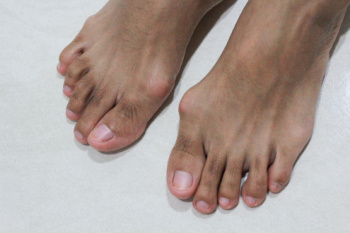
Hallux valgus is a condition where the big toe drifts toward the second toe, creating a bony bump at the joint called a bunion. Shoes that are tight, narrow, or high-heeled can place repeated pressure on the front of the foot. Over time, this pressure may push the big toe out of alignment and strain surrounding soft tissue. Stiff soles and poor arch support can also change how weight is distributed, adding stress to the forefoot. Not everyone who wears these styles will develop this problem, but they can increase risk, especially with genetics or flat feet. Choosing shoes with a wide toe box, supportive structure, and proper fit can help protect alignment and comfort. If you notice changes in your toe position or any pain, it is suggested that you see a podiatrist for evaluation and appropriate care.
If you are suffering from bunions, contact Robert Stein, DPM of South Shore Foot Care. Our doctor can provide the care you need to keep you pain-free and on your feet.
What Is a Bunion?
A bunion is formed of swollen tissue or an enlargement of boney growth, usually located at the base joint of the toe that connects to the foot. The swelling occurs due to the bones in the big toe shifting inward, which impacts the other toes of the foot. This causes the area around the base of the big toe to become inflamed and painful.
Why Do Bunions Form?
Genetics – Susceptibility to bunions are often hereditary
Stress on the feet – Poorly fitted and uncomfortable footwear that places stress on feet, such as heels, can worsen existing bunions
How Are Bunions Diagnosed?
Podiatrists often perform two tests – blood tests and x-rays – when trying to diagnose bunions, especially in the early stages of development. Blood tests help determine if the foot pain is being caused by something else, such as arthritis, while x-rays provide a clear picture of your bone structure to your provider.
How Are Bunions Treated?
If you have any questions, please feel free to contact our offices located in Cedarhurst and Franklin Square, NY . We offer the newest diagnostic and treatment technologies for all your foot care needs.
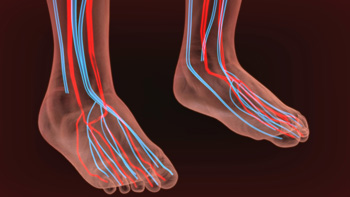
Poor circulation can affect the feet and ankles in ways that make daily life uncomfortable, and, at times, risky. Blood flow depends on arteries and veins, which have different roles. Arteries carry oxygen-rich blood from the heart to the tissues, while veins return blood back to the heart. When arteries are narrowed, the feet may feel cold, painful, or tired, especially during walking. When veins do not work properly, blood can pool in the lower legs, leading to swelling, heaviness, and skin changes. Both problems can increase the risk of slow healing and infection. People may notice discoloration, numbness, or wounds that take longer to improve. A podiatrist can help identify circulation concerns, monitor skin health, and guide care to reduce complications. If you have symptoms of poor circulation such as foot pain, swelling, or slow-healing wounds, it is suggested that you seek care from a podiatrist.
Poor circulation is a serious condition and needs immediate medical attention. If you have any concerns with poor circulation in your feet contact Robert Stein, DPM of South Shore Foot Care. Our doctor will treat your foot and ankle needs.
Poor Circulation in the Feet
Poor blood circulation in the feet and legs is can be caused by peripheral artery disease (PAD), which is the result of a buildup of plaque in the arteries.
Plaque buildup or atherosclerosis results from excess calcium and cholesterol in the bloodstream. This can restrict the amount of blood which can flow through the arteries. Poor blood circulation in the feet and legs are sometimes caused by inflammation in the blood vessels, known as vasculitis.
Causes
Lack of oxygen and oxygen from poor blood circulation restricts muscle growth and development. It can also cause:
Those who have diabetes or smoke are at greatest risk for poor circulation, as are those who are over 50. If you have poor circulation in the feet and legs it may be caused by PAD and is important to make changes to your lifestyle in order to reduce risk of getting a heart attack or stroke. Exercise and maintaining a healthy lifestyle will dramatically improve conditions.
As always, see a podiatrist as he or she will assist in finding a regimen that suits you. A podiatrist can also prescribe you any needed medication.
If you have any questions, please feel free to contact our offices located in Cedarhurst and Franklin Square, NY . We offer the newest diagnostic and treatment technologies for all your foot care needs.

Diabetic shoes can bring relief to the feet of patients suffering from diabetes.
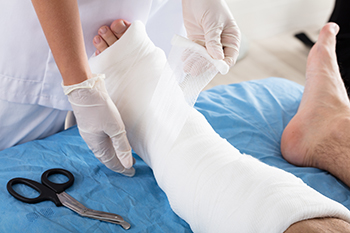
Total contact casting is a specialized treatment used to manage diabetic foot ulcers by distributing pressure evenly across the foot and reducing stress on the wound area. It works by enclosing the foot and lower leg in a carefully molded cast that limits movement and promotes healing through constant contact and offloading pressure. This method is highly effective in encouraging ulcer closure while protecting the affected tissue. Risk factors for poor healing include uncontrolled blood sugar, poor circulation, and prolonged pressure on the foot. A podiatrist plays a key role by applying the cast, monitoring healing progress, and adjusting treatment, as needed. If you have diabetes and have developed a foot ulcer, it is suggested that you are under the care of a podiatrist who can discuss the benefits of this treatment method with you.
Wound care is an important part in dealing with diabetes. If you have diabetes and a foot wound or would like more information about wound care for diabetics, consult with Robert Stein, DPM from South Shore Foot Care. Our doctor will assess your condition and provide you with quality foot and ankle treatment.
What Is Wound Care?
Wound care is the practice of taking proper care of a wound. This can range from the smallest to the largest of wounds. While everyone can benefit from proper wound care, it is much more important for diabetics. Diabetics often suffer from poor blood circulation which causes wounds to heal much slower than they would in a non-diabetic.
What Is the Importance of Wound Care?
While it may not seem apparent with small ulcers on the foot, for diabetics, any size ulcer can become infected. Diabetics often also suffer from neuropathy, or nerve loss. This means they might not even feel when they have an ulcer on their foot. If the wound becomes severely infected, amputation may be necessary. Therefore, it is of the upmost importance to properly care for any and all foot wounds.
How to Care for Wounds
The best way to care for foot wounds is to prevent them. For diabetics, this means daily inspections of the feet for any signs of abnormalities or ulcers. It is also recommended to see a podiatrist several times a year for a foot inspection. If you do have an ulcer, run the wound under water to clear dirt from the wound; then apply antibiotic ointment to the wound and cover with a bandage. Bandages should be changed daily and keeping pressure off the wound is smart. It is advised to see a podiatrist, who can keep an eye on it.
If you have any questions please contact our offices located in Cedarhurst and Franklin Square, NY . We offer the newest diagnostic and treatment technologies for all your foot and ankle needs.
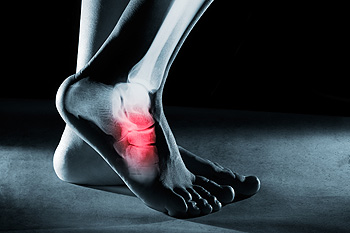
A stress fracture is a small crack in a bone that develops from repetitive force rather than a single injury. It commonly occurs in the feet and ankles due to repeated stress from activities such as walking and running. Causes include sudden increases in running speed or distance, and inadequate recovery time. Symptoms often involve localized pain, swelling, and tenderness that worsens with activity and improves with rest. Risk factors include wearing improper footwear, low bone density, and high-impact sports. A podiatrist can diagnose stress fractures through examination and imaging, provide immobilization strategies, and recommend footwear or orthotics to support healing. Early treatment is essential to prevent worsening injury. If you have symptoms of a foot stress fracture, it is suggested that you consult a podiatrist who can accurately diagnose and offer effective treatment solutions.
Activities where too much pressure is put on the feet can cause stress fractures. To learn more, contact Robert Stein, DPM from South Shore Foot Care. Our doctor can provide the care you need to keep your pain free and on your feet.
Dealing with Stress Fractures of the Foot and Ankle
Stress fractures occur in the foot and ankle when muscles in these areas weaken from too much or too little use. The feet and ankles then lose support when walking or running from the impact of the ground. Since there is no protection, the bones receive the full impact of each step. Stress on the feet can cause cracks to form in the bones, thus creating stress fractures.
What Are Stress Fractures?
Stress fractures occur frequently in individuals whose daily activities cause great impact on the feet and ankles. Stress factors are most common among:
Symptoms
Pain from the fractures occur in the area of the fractures and can be constant or intermittent. It will often cause sharp or dull pain with swelling and tenderness. Engaging in any kind of activity which involves high impact will aggravate pain.
If you have any questions please contact our offices located in Cedarhurst and Franklin Square, NY . We offer the newest diagnostic and treatment technologies for all your foot and ankle needs.
Every patient is unique and so are treatments. The information on this website is for educational purposes and each individual
patient care model may differ.


