Cedarhurst (516) 374-3668
Franklin Square (516) 775-8440
Cedarhurst (516) 374-3668
Franklin Square (516) 775-8440

Although the term “bunionette” may sound like something small and cute, it actually refers to a foot deformity. Indeed, a bunionette is a small bunion. While most bunions occur on the outer edges of big toes, bunionettes develop on the outside of the pinky toes. Bunionettes can cause pain and difficulty finding comfortable shoes that don’t rub against the bumps. Left untreated, bunionettes can also progressively worsen. In mild, asymptomatic cases, wearing wider, more comfortable shoes can prevent the condition from getting worse. In more severe cases, surgery can be used to correct the deformity. If you have a troublesome bunionette, it is suggested that you make an appointment with a podiatrist.
If you are suffering from bunions, contact Robert Stein, DPM of South Shore Foot Care. Our doctor can provide the care you need to keep you pain-free and on your feet.
What Is a Bunion?
A bunion is formed of swollen tissue or an enlargement of boney growth, usually located at the base joint of the toe that connects to the foot. The swelling occurs due to the bones in the big toe shifting inward, which impacts the other toes of the foot. This causes the area around the base of the big toe to become inflamed and painful.
Why Do Bunions Form?
Genetics – Susceptibility to bunions are often hereditary
Stress on the feet – Poorly fitted and uncomfortable footwear that places stress on feet, such as heels, can worsen existing bunions
How Are Bunions Diagnosed?
Podiatrists often perform two tests – blood tests and x-rays – when trying to diagnose bunions, especially in the early stages of development. Blood tests help determine if the foot pain is being caused by something else, such as arthritis, while x-rays provide a clear picture of your bone structure to your provider.
How Are Bunions Treated?
If you have any questions, please feel free to contact our offices located in Cedarhurst and Franklin Square, NY . We offer the newest diagnostic and treatment technologies for all your foot care needs.

High arches can place added stress on the feet because they sit higher off the ground and are not able to lower enough to absorb shock. This often makes the heel tilt inward, which can shift weight toward the outer edge of the foot and the base of the big toe. When this area takes too much pressure, pain can develop under the big toe joint, including irritation of the tiny sesamoid bones beneath it. The midfoot is usually stiff in people with high-arched feet, which forces the tendons along the outer ankle to work harder and raises the risk of irritation in that region. The inward tilt of the heel can also increase pressure on the inner side of the ankle joint. A podiatrist can evaluate foot shape, recommend shoes or inserts that provide adequate support, and discuss whether surgery is needed to solve the problem. If you have high arches that are causing pain, it is suggested that you make an appointment with a podiatrist for a diagnosis and treatment options.
If you have any concerns about your feet, contact Robert Stein, DPM from South Shore Foot Care. Our doctor can provide the care you need to keep you pain-free and on your feet.
Biomechanics in Podiatry
Podiatric biomechanics is a particular sector of specialty podiatry with licensed practitioners who are trained to diagnose and treat conditions affecting the foot, ankle and lower leg. Biomechanics deals with the forces that act against the body, causing an interference with the biological structures. It focuses on the movement of the ankle, the foot and the forces that interact with them.
A History of Biomechanics
Modern technological improvements are based on past theories and therapeutic processes that provide a better understanding of podiatric concepts for biomechanics. Computers can provide accurate information about the forces and patterns of the feet and lower legs.
Understanding biomechanics of the feet can help improve and eliminate pain, stopping further stress to the foot.
If you have any questions please feel free to contact our offices located in Cedarhurst and Franklin Square, NY . We offer the newest diagnostic and treatment technologies for all your foot and ankle needs.

Foot exercises are an effective way to improve strength, flexibility, and overall foot health. Strengthening the arch supports balance, reduces strain on the plantar fascia, and helps prevent injuries. Foot yoga offers gentle, mindful movements that enhance mobility and alignment. Exercises may include big toe dissociation to improve control and coordination, spreading toes to create space and improve balance, deep plantar fascia stretches to relieve tension, and myofascial massage to release tightness in muscles and connective tissue. Regular practice can improve foot function, reduce discomfort, and enhance overall mobility. A podiatrist can evaluate your foot mechanics, recommend the most appropriate exercises, provide guidance on proper technique, and design a personalized plan to strengthen your feet. If you have foot pain, it is suggested that you consult a podiatrist who can treat various foot conditions, and guide you on additional foot strengthening exercises.
Exercising your feet regularly with the proper foot wear is a great way to prevent injuries and build strength. If you have any concerns about your feet, contact Robert Stein, DPM from South Shore Foot Care. Our doctor can provide the care you need to keep you pain-free and on your feet.
Exercise for Your Feet
Exercise for your feet can help you gain strength, mobility and flexibility in your feet. They say that strengthening your feet can be just as rewarding as strengthening another part of the body. Your feet are very important, and we often forget about them in our daily tasks. But it is because of our feet that are we able to get going and do what we need to. For those of us fortunate enough to not have any foot problems, it is an important gesture to take care of them to ensure good health in the long run.
Some foot health exercises can include ankle pumps, tip-toeing, toe rises, lifting off the floor doing reps and sets, and flexing the toes. It is best to speak with Our doctor to determine an appropriate regimen for your needs. Everyone’s needs and bodies are different, and the activities required to maintain strength in the feet vary from individual to individual.
Once you get into a routine of doing regular exercise, you may notice a difference in your feet and how strong they may become.
If you have any questions, please feel free to contact our offices located in Cedarhurst and Franklin Square, NY . We offer the newest diagnostic and treatment technologies for all your foot care needs.

Congenital foot deformities are structural abnormalities present at birth that affect the shape or function of an infant’s feet. One of the most recognized conditions is clubfoot, in which the foot turns inward and downward, making normal movement difficult without treatment. Early care often includes manual manipulations that gently guide the foot into a healthier position, followed by supportive methods to maintain correction as the child grows. A podiatrist can evaluate the deformity, create a personalized treatment plan, and guide families through each stage of care to improve long term mobility and foot health. If your child shows signs of a foot deformity, it is strongly suggested that you promptly consult a podiatrist who can help you with effective management tips.
Congenital foot problems require immediate attention to avoid future complications. If you have any concerns, contact Robert Stein, DPM of South Shore Foot Care. Our doctor can provide the care you need to keep you pain-free and on your feet.
Congenital foot problems are deformities affecting the feet, toes, and/or ankles that children are born with. Some of these conditions have a genetic cause while others just happen. Some specific foot ailments that children may be born with include clubfeet, polydactyly/macrodactyly, and cleft foot. There are several other foot anomalies that can occur congenitally. What all of these conditions have in common is that a child may experience difficulty walking or performing everyday activities, as well as trouble finding footwear that fits their foot deformity. Some of these conditions are more serious than others. Consulting with a podiatrist as early as possible will help in properly diagnosing a child’s foot condition while getting the necessary treatment underway.
What are Causes of Congenital Foot Problem?
A congenital foot problem is one that happens to a child at birth. These conditions can be caused by a genetic predisposition, developmental or positional abnormalities during gestation, or with no known cause.
What are Symptoms of Congenital Foot Problems?
Symptoms vary by the congenital condition. Symptoms may consist of the following:
Treatment and Prevention
While there is nothing one can do to prevent congenital foot problems, raising awareness and receiving neonatal screenings are important. Early detection by taking your child to a podiatrist leads to the best outcome possible.
If you have any questions, please feel free to contact our offices located in Cedarhurst and Franklin Square, NY . We offer the newest diagnostic and treatment technologies for all your foot care needs.
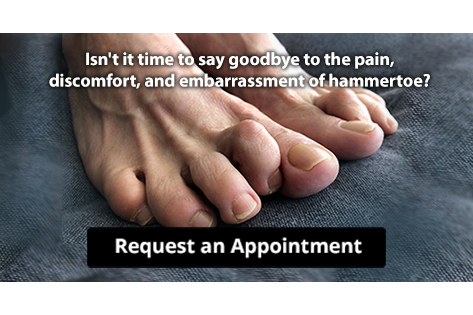
Painful deformities, such as hammertoes, can be treated. Stop living with foot pain, and have beautiful feet again!

Achilles tendinitis is the inflammation of the Achilles tendon, which connects the calf muscles to the heel bone. It often develops from overuse, wearing poor footwear, tight calf muscles, or a sudden increase in physical activity. Runners are especially prone to this condition due to repetitive stress on the tendon. Symptoms include stiffness, tenderness, and pain along the back of the heel or lower calf, especially during activity or after rest. A podiatrist can provide a thorough evaluation, recommend custom orthotics, design stretching and strengthening programs, and offer advanced treatments to promote healing and prevent recurrence. If you have pain in your heel or lower calf, it is suggested that you consult a podiatrist who can provide expert care and lasting relief from Achilles pain.
Achilles tendon injuries need immediate attention to avoid future complications. If you have any concerns, contact Robert Stein, DPM of South Shore Foot Care. Our doctor can provide the care you need to keep you pain-free and on your feet.
What Is the Achilles Tendon?
The Achilles tendon is a tendon that connects the lower leg muscles and calf to the heel of the foot. It is the strongest tendon in the human body and is essential for making movement possible. Because this tendon is such an integral part of the body, any injuries to it can create immense difficulties and should immediately be presented to a doctor.
What Are the Symptoms of an Achilles Tendon Injury?
There are various types of injuries that can affect the Achilles tendon. The two most common injuries are Achilles tendinitis and ruptures of the tendon.
Achilles Tendinitis Symptoms
Rupture Symptoms
Treatment and Prevention
Achilles tendon injuries are diagnosed by a thorough physical evaluation, which can include an MRI. Treatment involves rest, physical therapy, and in some cases, surgery. However, various preventative measures can be taken to avoid these injuries, such as:
If you have any questions please feel free to contact our offices located in Cedarhurst and Franklin Square, NY . We offer the newest diagnostic tools and technology to treat your foot and ankle needs.
Every patient is unique and so are treatments. The information on this website is for educational purposes and each individual
patient care model may differ.


