
Proudly serving Nassau County, NY for over 35 years

Foot Skin Irritation and Eczema Types That Affect Daily Comfort

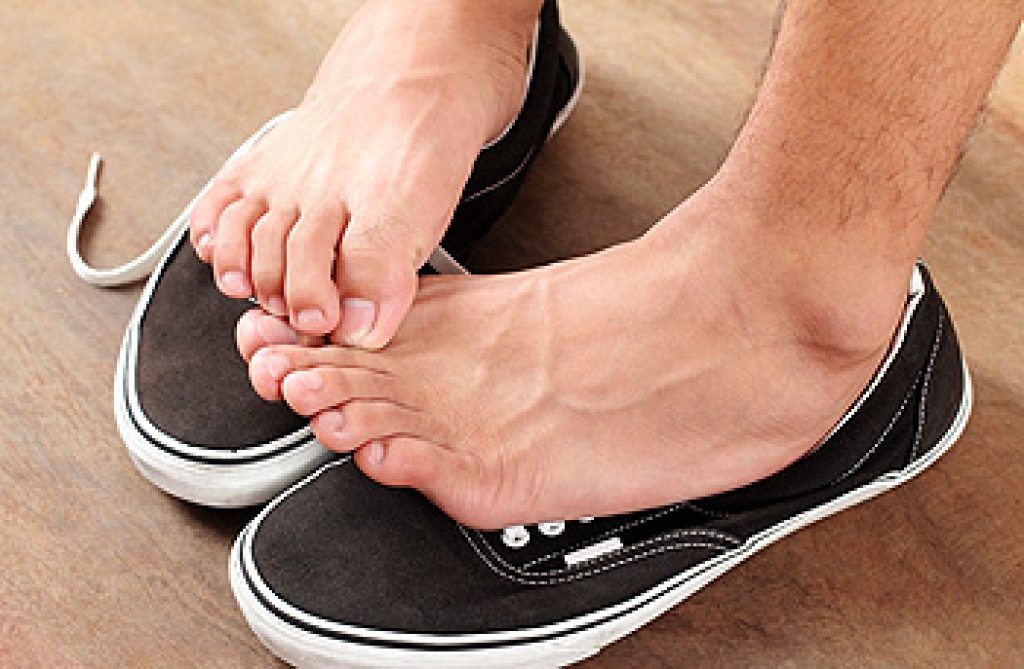
Foot skin irritation can interfere with daily activities and often signals an underlying dermatological condition. The feet are exposed to constant pressure, moisture, and friction, which makes them more vulnerable to irritation. Atopic dermatitis and dyshidrotic eczema are two common conditions that affect the skin on the feet. These conditions involve inflammation and can lead to recurring discomfort if not properly addressed. Early recognition is key to maintaining healthy skin and preventing complications. Symptoms of foot irritation vary but often include itching, redness, and scaling. Some individuals experience painful cracks or peeling skin, while others develop small blisters that may leak fluid. Dyshidrotic eczema typically presents with clustered blisters that cause burning or itching sensations. Atopic dermatitis often leads to dry and inflamed skin that may thicken over time. These symptoms can worsen with heat, moisture, and repeated friction. Common causes of foot skin irritation include stress, which can weaken the immune response and trigger flare-ups. Diet also plays a role, as poor nutrition may reduce the skin's ability to repair itself. Shoe and sock materials can irritate the skin, especially when they restrict airflow or trap sweat. Repeated exposure to these factors can disrupt the skin barrier and lead to chronic irritation.

Risk factors include prolonged use of tight footwear, high humidity, sensitive skin, and a history of allergic reactions. Individuals who are active or spend long hours on their feet may be more prone to irritation. Preventive care and proper treatment can improve skin health and reduce symptoms. If you are dealing with irritated skin on your feet, it is suggested that you seek care from a podiatrist for effective relief and treatment solutions.

Foot Pain

Foot pain can be extremely painful and debilitating. If you have a foot pain, consult with Robert Stein, DPM from South Shore Foot Care. Our doctor will assess your condition and provide you with quality foot and ankle treatment.

Causes

Foot pain is a very broad condition that could be caused by one or more ailments. The most common include:

  • Bunions
  • Hammertoes
  • Plantar Fasciitis
  • Bone Spurs
  • Corns
  • Tarsal Tunnel Syndrome
  • Ingrown Toenails
  • Arthritis (such as Gout, Rheumatoid, and Osteoarthritis)
  • Flat Feet
  • Injury (from stress fractures, broken toe, foot, ankle, Achilles tendon ruptures, and sprains)
  • And more

Diagnosis

To figure out the cause of foot pain, podiatrists utilize several different methods. This can range from simple visual inspections and sensation tests to X-rays and MRI scans. Prior medical history, family medical history, and any recent physical traumatic events will all be taken into consideration for a proper diagnosis.

Treatment

Treatment depends upon the cause of the foot pain. Whether it is resting, staying off the foot, or having surgery; podiatrists have a number of treatment options available for foot pain.

If you have any questions, please feel free to contact our offices located in Cedarhurst and Franklin Square, NY . We offer the newest diagnostic and treatment technologies for all your foot care needs.

Read more about Foot Pain

Corns on the Feet and When to See a Podiatrist

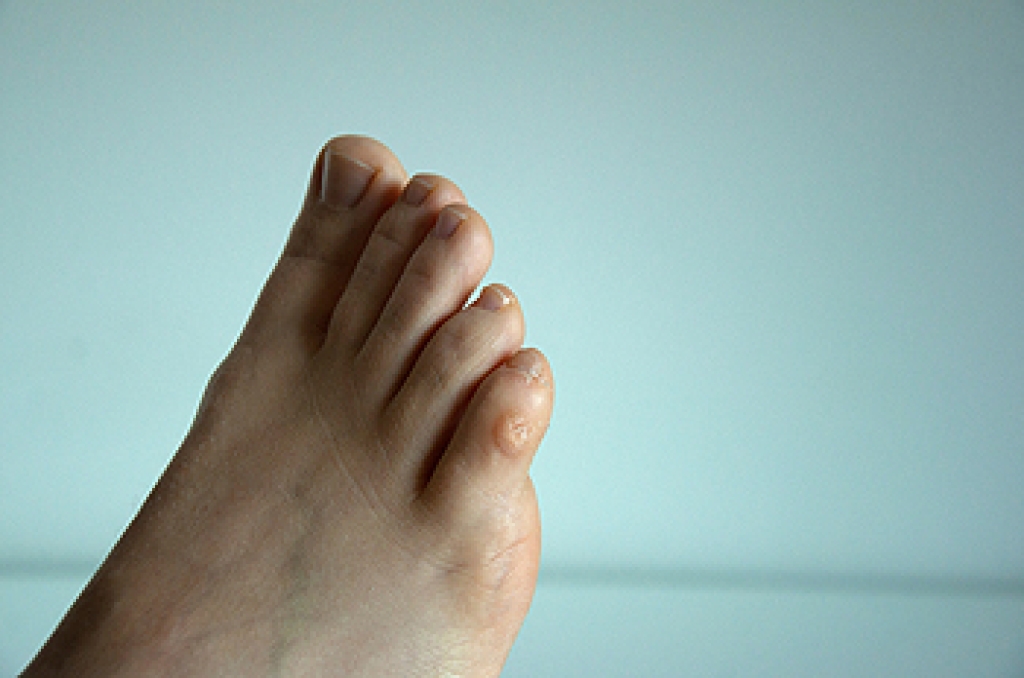
Corns on the feet develop when the skin thickens to protect itself from repeated pressure or friction. They most often appear on the top and sides of the toes or on weight-bearing areas of the feet. Unlike calluses, corns are usually smaller and have a hard center that can press into deeper tissue, making them painful when standing or walking. Tight-fitting shoes, toe deformities, and changes in the way you walk can all increase the risk of developing corns. Symptoms include tenderness, discomfort, or a small area of thickened skin that becomes painful with pressure. Although corns may seem minor at first, ongoing irritation can make daily activities more difficult if they are left untreated.


A podiatrist can determine whether a corn is causing your symptoms or if another foot condition is responsible. During an evaluation, the podiatrist examines the affected area, checks your foot structure, and looks for causes of repeated pressure. Treatment may include carefully removing thickened skin and reducing pressure on the affected area. A podiatrist may recommend medical devices or footwear modifications when appropriate. Professional care is especially important for people with diabetes, poor circulation, or reduced feeling in their feet because foot problems may become more serious without proper treatment. Early care can also help improve comfort and prevent recurring irritation.


Ignoring painful corns may lead to continued discomfort and increased stress on other parts of the foot. Receiving prompt corn treatment, foot pain treatment, and podiatry care can improve comfort and support healthy movement. Early treatment also helps address the underlying cause of repeated pressure to reduce the risk of recurring corns. A podiatrist develops a treatment plan based on your individual needs to help protect your long-term foot health. If you have painful corns or ongoing foot discomfort, it is suggested that you consult a podiatrist for an evaluation and appropriate treatment options.

If you have any concerns regarding your feet and ankles, contact Robert Stein, DPM of South Shore Foot Care. Our doctor will treat your foot and ankle needs.

Corns: What Are They? and How Do You Get Rid of Them?
Corns can be described as areas of the skin that have thickened to the point of becoming painful or irritating. They are often layers and layers of the skin that have become dry and rough, and are normally smaller than calluses.

Ways to Prevent Corns
There are many ways to get rid of painful corns such as wearing:

  • Well-fitting socks
  • Comfortable shoes that are not tight around your foot
  • Shoes that offer support

Treating Corns
Treatment of corns involves removing the dead skin that has built up in the specific area of the foot. Consult with Our doctor to determine the best treatment option for your case of corns.

If you have any questions, please feel free to contact our offices located in Cedarhurst and Franklin Square, NY . We offer the newest diagnostic and treatment technologies for all your foot care needs.

Read more about Corns and Calluses

Treating Achilles Tendon Injuries

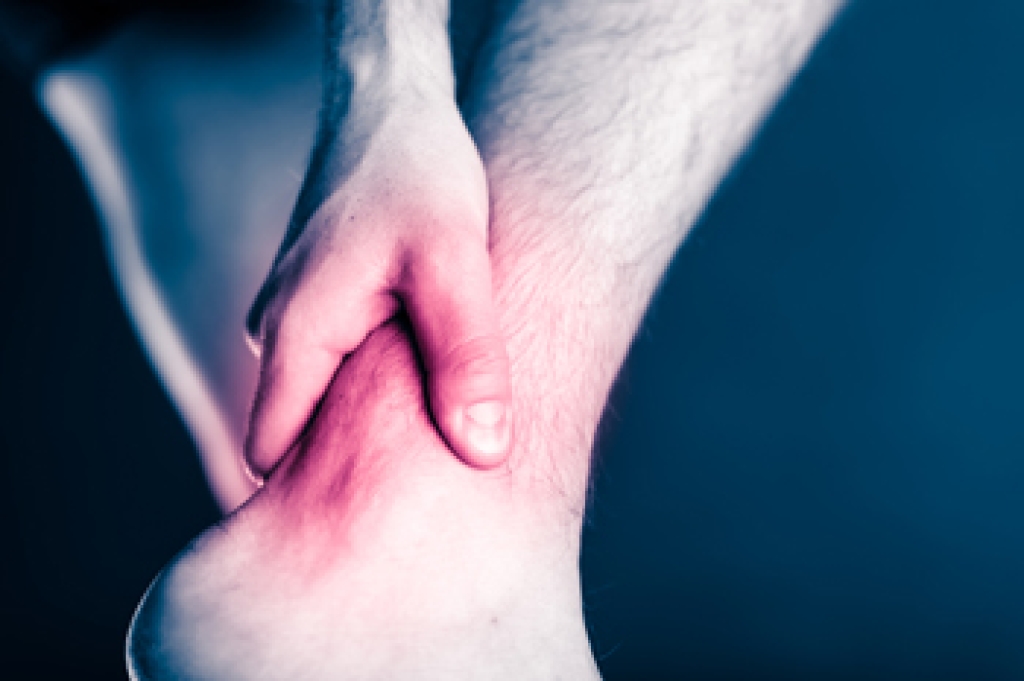
The Achilles tendon is a strong band of tissue that connects the calf muscles to the heel bone. It plays an important role in walking, running, jumping, and pushing off the foot. Because it absorbs significant force during movement, it is vulnerable to injury. Achilles tendon injuries often develop from repetitive stress, overuse, or sudden increases in physical activity. Athletes who participate in sports that involve running, quick stops, and rapid changes in direction may face a higher risk. Common symptoms include pain along the back of the ankle, stiffness, swelling, and discomfort that worsens during movement. In some cases, the tendon may weaken over time, increasing the risk of more serious injury.


Achilles tendon injuries can range from irritation and inflammation to degeneration of the tendon fibers. More severe cases may involve a partial or complete tear. A tendon tear often occurs during a sudden movement, such as sprinting, pivoting, or abruptly changing direction. Some people report hearing or feeling a pop when the injury occurs, followed by significant pain and difficulty walking. Early evaluation is important because untreated tendon problems can affect mobility and make everyday activities more challenging. A comprehensive examination helps determine the extent of the injury and guides the most appropriate treatment plan.


A podiatrist specializes in diagnosing and treating conditions that affect the feet and ankles, including Achilles tendon injuries. Treatment recommendations vary depending on the severity of the condition and may focus on reducing stress on the tendon, supporting healing, and restoring normal function. Prompt podiatric care can help prevent further damage and improve long-term outcomes. Identifying and addressing Achilles tendon injuries early is often key to maintaining an active lifestyle and avoiding complications. If you are experiencing Achilles tendon pain, stiffness, swelling, or difficulty walking, it is suggested that you consult a podiatrist for an evaluation and appropriate treatment options.

Achilles tendon injuries need immediate attention to avoid future complications. If you have any concerns, contact Robert Stein, DPM of South Shore Foot Care. Our doctor can provide the care you need to keep you pain-free and on your feet.

What Is the Achilles Tendon?

The Achilles tendon is a tendon that connects the lower leg muscles and calf to the heel of the foot. It is the strongest tendon in the human body and is essential for making movement possible. Because this tendon is such an integral part of the body, any injuries to it can create immense difficulties and should immediately be presented to a doctor.

What Are the Symptoms of an Achilles Tendon Injury?

There are various types of injuries that can affect the Achilles tendon. The two most common injuries are Achilles tendinitis and ruptures of the tendon.

Achilles Tendinitis Symptoms

  • Inflammation
  • Dull to severe pain
  • Increased blood flow to the tendon
  • Thickening of the tendon

Rupture Symptoms

  • Extreme pain and swelling in the foot
  • Total immobility

Treatment and Prevention

Achilles tendon injuries are diagnosed by a thorough physical evaluation, which can include an MRI. Treatment involves rest, physical therapy, and in some cases, surgery. However, various preventative measures can be taken to avoid these injuries, such as:

  • Thorough stretching of the tendon before and after exercise
  • Strengthening exercises like calf raises, squats, leg curls, leg extensions, leg raises, lunges, and leg presses

If you have any questions please feel free to contact our offices located in Cedarhurst and Franklin Square, NY . We offer the newest diagnostic tools and technology to treat your foot and ankle needs.

Read more about What are Achilles Tendon Injuries

Why Live with Pain and Numbness in Your Feet?

Suffering from this type of pain? You may have the foot condition known as Morton's neuroma. Morton's neuroma may develop as a result of ill-fitting footwear and existing foot deformities. We can help.

Every patient is unique and so are treatments. The information on this website is for educational purposes and each individual
patient care model may differ.