
Proudly serving Nassau County, NY for over 35 years

Causes of Plantar Warts and How They Are Treated

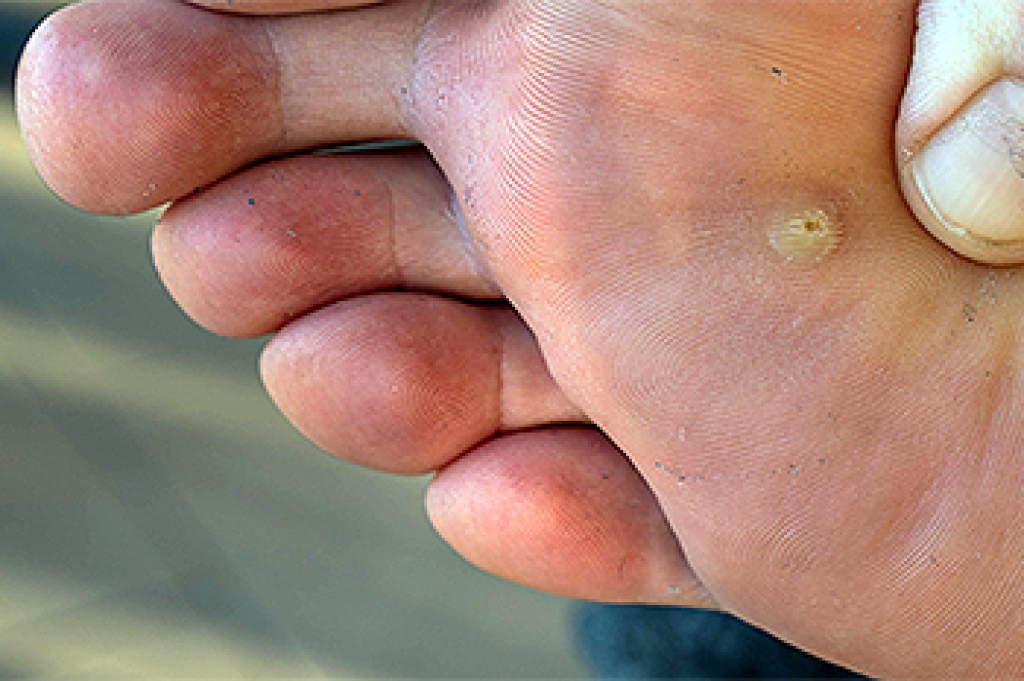
Plantar warts are small skin growths that develop on the bottom of the foot. They are caused by the human papillomavirus, or HPV, which enters the skin through tiny cuts or weak areas. Unlike a callus, which develops from pressure and friction, a plantar wart is caused by a viral infection. These warts frequently appear on weight-bearing parts of the foot, making them uncomfortable while standing or walking. A plantar wart has a rough surface and sometimes contains tiny dark spots. These spots are small blood vessels inside the wart. Some people develop a single wart, while others develop several warts grouped together.

The symptoms of plantar warts vary depending on their size and location. Many people experience pain, tenderness, and a feeling that something is stuck beneath the foot. The wart can become flattened because of pressure from standing and walking. The surrounding skin sometimes becomes thick and firm. Pain can increase when walking long distances or standing for extended periods of time. Because plantar warts can resemble corns, calluses, and other skin conditions, an accurate diagnosis is important. A podiatrist can examine the affected area and determine whether the growth is a plantar wart or another foot problem requiring different treatment.

A podiatrist has several ways to treat plantar warts and reduce discomfort. Treatment depends on the size, depth, and location of the wart. Professional care includes freezing the wart, removing damaged tissue, or using medications that target the infected skin. Some warts require more than one treatment session before they are completely removed. A podiatrist can also monitor the area to make sure the wart is responding properly to treatment. Early care can help relieve pain and prevent the wart from becoming larger or spreading to nearby skin. If you have plantar warts, it is suggested that you schedule an appointment with a podiatrist for effective relief and treatment options.

Plantar warts can be very uncomfortable. If you need your feet checked, contact Robert Stein, DPM from South Shore Foot Care. Our doctor will assist you with all of your foot and ankle needs.

About Plantar Warts

Plantar warts are the result of HPV, or human papillomavirus, getting into open wounds on the feet. They are mostly found on the heels or balls of the feet.

While plantar warts are generally harmless, those experiencing excessive pain or those suffering from diabetes or a compromised immune system require immediate medical care. Plantar warts are easily diagnosed, usually through scraping off a bit of rough skin or by getting a biopsy.

Symptoms

  • Lesions on the bottom of your feet, usually rough and grainy
  • Hard or thick callused spots
  • Wart seeds, which are small clotted blood vessels that look like little black spots
  • Pain, discomfort, or tenderness of your feet when walking or standing

Treatment

  • Freezing
  • Electric tool removal
  • Laser Treatment
  • Topical Creams (prescription only)
  • Over-the-counter medications

To help prevent developing plantar warts, avoid walking barefoot over abrasive surfaces that can cause cuts or wounds for HPV to get into. Avoiding direct contact with other warts, as well as not picking or rubbing existing warts, can help prevent the further spread of plantar warts. However, if you think you have developed plantar warts, speak to your podiatrist. He or she can diagnose the warts on your feet and recommend the appropriate treatment options.

If you have any questions, please feel free to contact our offices located in Cedarhurst and Franklin Square, NY . We offer the newest diagnostic and treatment technologies for all your foot care needs.
Read more about All About Plantar Warts

Athlete’s Foot Causes and Symptoms

Athlete’s foot is a fungal infection that affects the skin of the feet, particularly between the toes. This condition, also known as tinea pedis, develops when fungi thrive in warm, moist environments, like sweaty shoes and locker rooms. It is extremely contagious and can spread through direct contact or shared surfaces. Athlete’s foot can affect anyone, not just athletes, and may become chronic if left untreated. Understanding this condition is essential for maintaining healthy skin and preventing the spread of infection to other areas of the body.

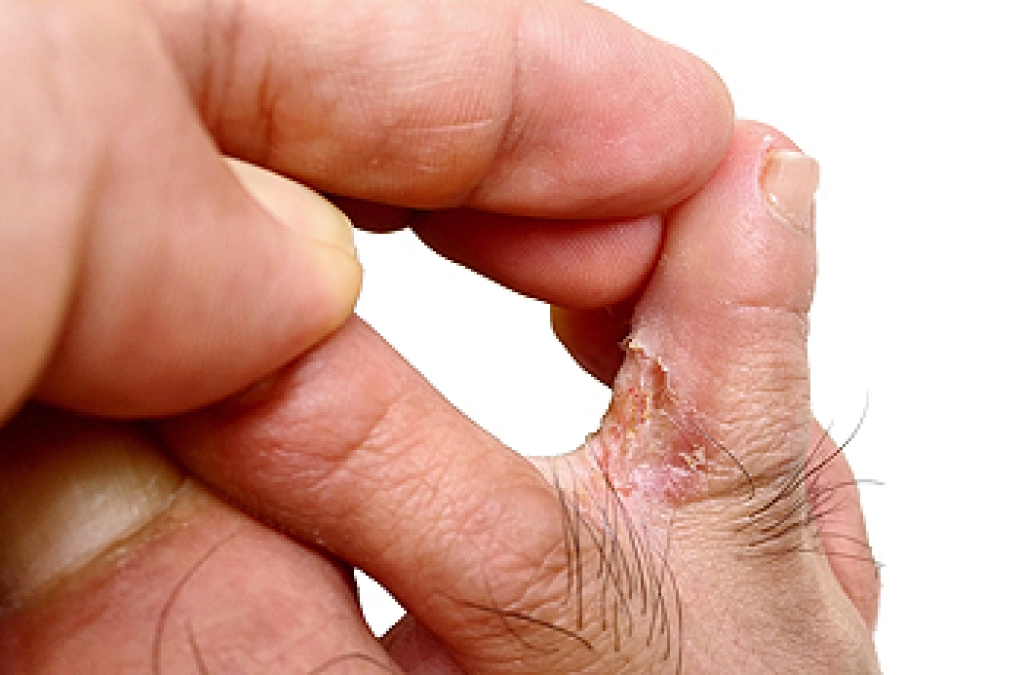
Symptoms of athlete’s foot often begin with itching, burning, and stinging sensations between the toes. The skin may appear red, scaly, or cracked, and in some cases, peeling or flaking may occur. Some individuals develop small blisters that can be painful and may lead to further skin breakdown. As the infection progresses, the affected area may become dry and thickened. In more severe cases, the infection can spread to the soles or toenails. This can cause further discomfort and complications that require prompt attention.


Several risk factors increase the likelihood of developing athlete’s foot. Wearing tight, non-breathable footwear creates a warm environment where fungi can grow easily. Walking barefoot in public places like pools, gyms, and locker rooms also raises the risk of exposure. Excessive sweating, poor foot hygiene, and not changing socks regularly contribute to moisture buildup. People with a weakened immune system or underlying health condition may be more susceptible. Identifying these risk factors can help guide prevention and reduce recurrence.


The primary cause of athletes' feet is exposure to dermatophyte fungi that invade the outer layer of skin. These organisms thrive in damp conditions and spread through contaminated surfaces or personal items. Preventive care includes keeping feet clean and dry, wearing moisture wicking socks, and choosing properly fitted shoes that allow ventilation. Avoiding shared footwear and practicing good foot hygiene are also important. If you have symptoms of athlete's foot,  it is suggested that you consult a podiatrist for an accurate diagnosis and appropriate treatment, which may include prescribed medication.

Athlete’s Foot

Athlete’s foot is often an uncomfortable condition to experience. Thankfully, podiatrists specialize in treating athlete’s foot and offer the best treatment options. If you have any questions about athlete’s foot, consult with Robert Stein, DPM from South Shore Foot Care. Our doctor will assess your condition and provide you with quality treatment.

What Is Athlete’s Foot?

Tinea pedis, more commonly known as athlete’s foot, is a non-serious and common fungal infection of the foot. Athlete’s foot is contagious and can be contracted by touching someone who has it or infected surfaces. The most common places contaminated by it are public showers, locker rooms, and swimming pools. Once contracted, it grows on feet that are left inside moist, dark, and warm shoes and socks.

Prevention

The most effective ways to prevent athlete’s foot include:

  • Thoroughly washing and drying feet
  • Avoid going barefoot in locker rooms and public showers
  • Using shower shoes in public showers
  • Wearing socks that allow the feet to breathe
  • Changing socks and shoes frequently if you sweat a lot

Symptoms

Athlete’s foot initially occurs as a rash between the toes. However, if left undiagnosed, it can spread to the sides and bottom of the feet, toenails, and if touched by hand, the hands themselves. Symptoms include:

  • Redness
  • Burning
  • Itching
  • Scaly and peeling skin

Diagnosis and Treatment

Diagnosis is quick and easy. Skin samples will be taken and either viewed under a microscope or sent to a lab for testing. Sometimes, a podiatrist can diagnose it based on simply looking at it. Once confirmed, treatment options include oral and topical antifungal medications.

If you have any questions, please feel free to contact our offices located in Cedarhurst and Franklin Square, NY . We offer the newest diagnostic and treatment technologies for all your foot care needs.

Read more about Athlete’s Foot

Foot Problems in Children With Down Syndrome

Children with Down syndrome are more likely to develop foot and ankle problems that affect balance, comfort, and movement. Flat feet are very common because the muscles and ligaments in the feet are often looser than normal. This can place extra strain on the feet and ankles while walking. Some children also develop bunions, where the top of the big toe leans inward and the main joint forms a bump. Ankle instability can lead to frequent tripping or an unsteady gait. A podiatrist can examine the feet and ankles and evaluate how your child walks. Recommendations include more supportive footwear or custom orthotics to improve foot alignment. Braces can also help support weak ankles and improve stability. Regular foot exams are helpful because some problems become more noticeable as children grow. If your child with Down syndrome has foot or ankle pain, it is suggested that you make an appointment with a podiatrist for an exam and treatment.

The health of a child’s feet is vital to their overall well-being. If you have any questions regarding foot health, contact Robert Stein, DPM of South Shore Foot Care. Our doctor can provide the care you need to keep you pain-free and on your feet.

Tips for Keeping Children's Feet Healthy

  • Make sure their shoes fit properly
  • Look for any signs of in-toeing or out-toeing
  • Check to see if they have Clubfoot (condition that affects your child’s foot and ankle, twisting the heel and toes inward) which is one of the most common nonmajor birth defects.
  • Lightly cover your baby’s feet (Tight covers may keep your baby from moving their feet freely, and could prevent normal development)
  • Allow your toddler to go shoeless (Shoes can be restricting for a young child’s foot)
  • Cut toenails straight across to avoid ingrown toenails
  • Keep your child’s foot clean and dry
  • Cover cuts and scrapes. Wash any scratches with soap and water and cover them with a bandage until they’ve healed.

If you have any questions, please feel free to contact our offices located in Cedarhurst and Franklin Square, NY . We offer the newest diagnostic and treatment technologies for all your foot care needs.

Read more about What to Do to Keep Your Child’s Feet Healthy

Ball of Foot Pain Explained

Pain in the ball of the foot, also called metatarsal pain, is a common problem that affects the area just behind the toes. It often develops from repeated pressure or uneven weight distribution when walking or standing. Wearing high-heeled shoes can force extra stress onto the front of the foot, leading to irritation and inflammation. Conditions such as arthritis may cause joint swelling and stiffness, while bunions can shift alignment and increase pressure in this area. Risk factors include foot shape, aging, and high impact activities. People may notice burning pain, tenderness, or a feeling of walking on a small stone. A podiatrist can identify the cause, use imaging, if needed, and provide custom orthotics or other treatments to relieve discomfort and improve function. If you have pain in this part of your foot, it is suggested that you consult a podiatrist who can provide effective relief and treatment solutions.

Foot Pain

Foot pain can be extremely painful and debilitating. If you have a foot pain, consult with Robert Stein, DPM from South Shore Foot Care. Our doctor will assess your condition and provide you with quality foot and ankle treatment.

Causes

Foot pain is a very broad condition that could be caused by one or more ailments. The most common include:

  • Bunions
  • Hammertoes
  • Plantar Fasciitis
  • Bone Spurs
  • Corns
  • Tarsal Tunnel Syndrome
  • Ingrown Toenails
  • Arthritis (such as Gout, Rheumatoid, and Osteoarthritis)
  • Flat Feet
  • Injury (from stress fractures, broken toe, foot, ankle, Achilles tendon ruptures, and sprains)
  • And more

Diagnosis

To figure out the cause of foot pain, podiatrists utilize several different methods. This can range from simple visual inspections and sensation tests to X-rays and MRI scans. Prior medical history, family medical history, and any recent physical traumatic events will all be taken into consideration for a proper diagnosis.

Treatment

Treatment depends upon the cause of the foot pain. Whether it is resting, staying off the foot, or having surgery; podiatrists have a number of treatment options available for foot pain.

If you have any questions, please feel free to contact our offices located in Cedarhurst and Franklin Square, NY . We offer the newest diagnostic and treatment technologies for all your foot care needs.

Read more about Foot Pain

It's Time for Beautiful Feet

You don't need an excuse to have beautiful nails. Step outside without worrying about the appearance of your feet.

Every patient is unique and so are treatments. The information on this website is for educational purposes and each individual
patient care model may differ.