Proudly serving Nassau County, NY for over 35 years

Fungal Toenail Infections and Why They Keep Coming Back

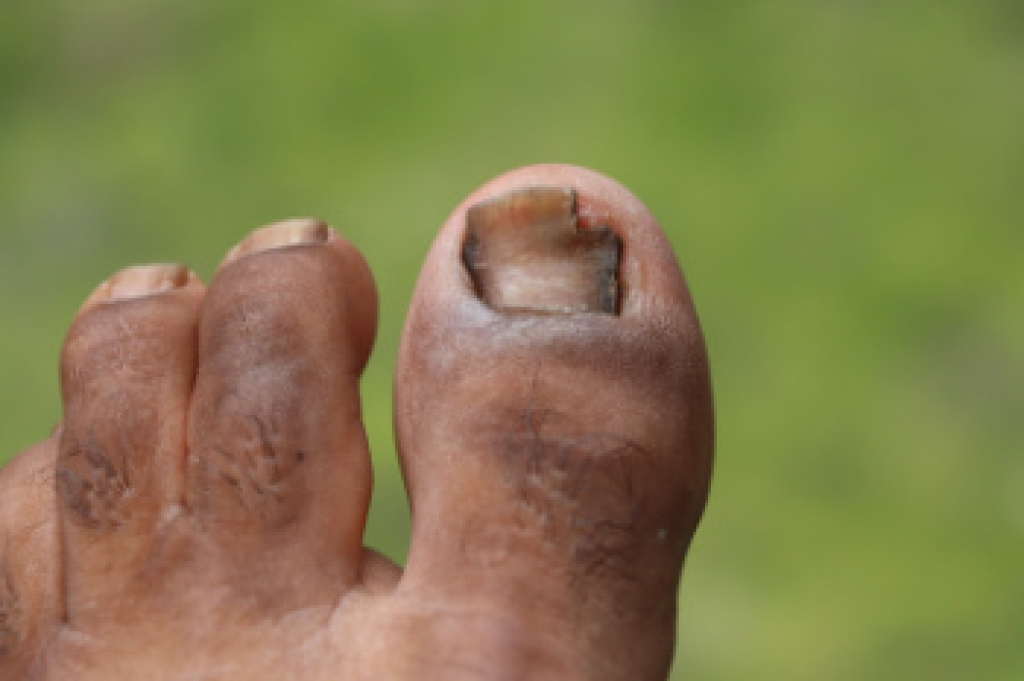
Fungal toenail infections develop when fungi enter through small cracks in the nail, causing thickened, discolored, and brittle nails. These infections often return because fungi thrive in warm, moist environments like sweaty shoes and public spaces. Reinfection can also happen if treatment is stopped too soon or shoes are not properly disinfected. Beyond over-the-counter and prescription medications, a podiatrist can provide advanced care, including professional nail debridement to reduce thickness, stronger topical treatments, oral antifungal therapy, and, in some cases, laser treatment to target the infection. Regular monitoring helps ensure the infection is fully cleared. Preventive steps like keeping feet dry, wearing breathable shoes, and avoiding barefoot exposure are essential. If the infection continues or worsens, it is suggested that you see a podiatrist for comprehensive treatment.

For more information about treatment, contact Robert Stein, DPM of South Shore Foot Care. Our doctor can provide the care you need to keep you pain-free and on your feet.

Toenail Fungus Treatment

Toenail fungus is a condition that affects many people and can be especially hard to get rid of. Fortunately, there are several methods to go about treating and avoiding it.

Antifungals & Deterrence

Oral antifungal medicine has been shown to be effective in many cases. It is important to consult with a podiatrist to determine the proper regiment for you, or potentially explore other options.

Applying foot powder on the feet and shoes helps keep the feet free of moisture and sweat.

Sandals or open toed shoes – Wearing these will allow air movement and help keep feet dry. They also expose your feet to light, which fungus cannot tolerate. Socks with moisture wicking material also help as well.

If you have any questions please contact our offices located in Cedarhurst and Franklin Square, NY . We offer the newest diagnostic and treatment technologies for all your foot and ankle needs.
Read more about Treating Toenail Fungus

Bunions and How Shoes Influence Their Development

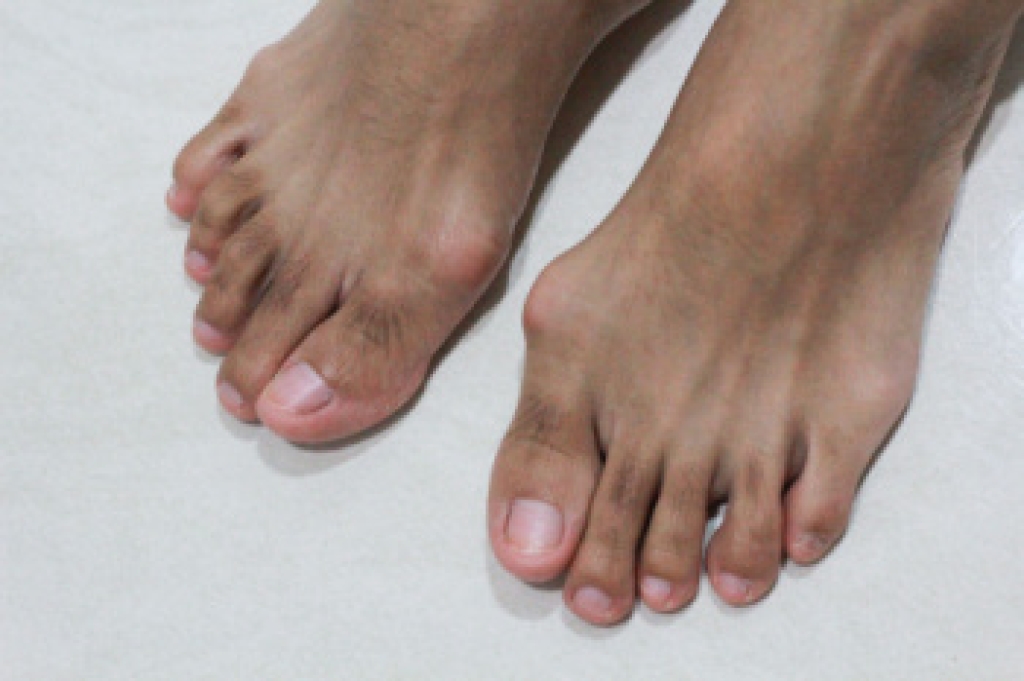
Hallux valgus is a condition where the big toe drifts toward the second toe, creating a bony bump at the joint called a bunion. Shoes that are tight, narrow, or high-heeled can place repeated pressure on the front of the foot. Over time, this pressure may push the big toe out of alignment and strain surrounding soft tissue. Stiff soles and poor arch support can also change how weight is distributed, adding stress to the forefoot. Not everyone who wears these styles will develop this problem, but they can increase risk, especially with genetics or flat feet. Choosing shoes with a wide toe box, supportive structure, and proper fit can help protect alignment and comfort. If you notice changes in your toe position or any pain, it is suggested that you see a podiatrist for evaluation and appropriate care.

If you are suffering from bunions, contact Robert Stein, DPM of South Shore Foot Care. Our doctor can provide the care you need to keep you pain-free and on your feet.

What Is a Bunion?

A bunion is formed of swollen tissue or an enlargement of boney growth, usually located at the base joint of the toe that connects to the foot. The swelling occurs due to the bones in the big toe shifting inward, which impacts the other toes of the foot. This causes the area around the base of the big toe to become inflamed and painful.

Why Do Bunions Form?

Genetics – Susceptibility to bunions are often hereditary

Stress on the feet – Poorly fitted and uncomfortable footwear that places stress on feet, such as heels, can worsen existing bunions

How Are Bunions Diagnosed?

Podiatrists often perform two tests – blood tests and x-rays – when trying to diagnose bunions, especially in the early stages of development. Blood tests help determine if the foot pain is being caused by something else, such as arthritis, while x-rays provide a clear picture of your bone structure to your provider.

How Are Bunions Treated?

  • Refrain from wearing heels or similar shoes that cause discomfort
  • Select wider shoes that can provide more comfort and reduce pain
  • Anti-inflammatory and pain management drugs
  • Orthotics or foot inserts
  • Surgery

If you have any questions, please feel free to contact our offices located in Cedarhurst and Franklin Square, NY . We offer the newest diagnostic and treatment technologies for all your foot care needs.

Read more about Bunions

Poor Circulation in the Feet and Ankles

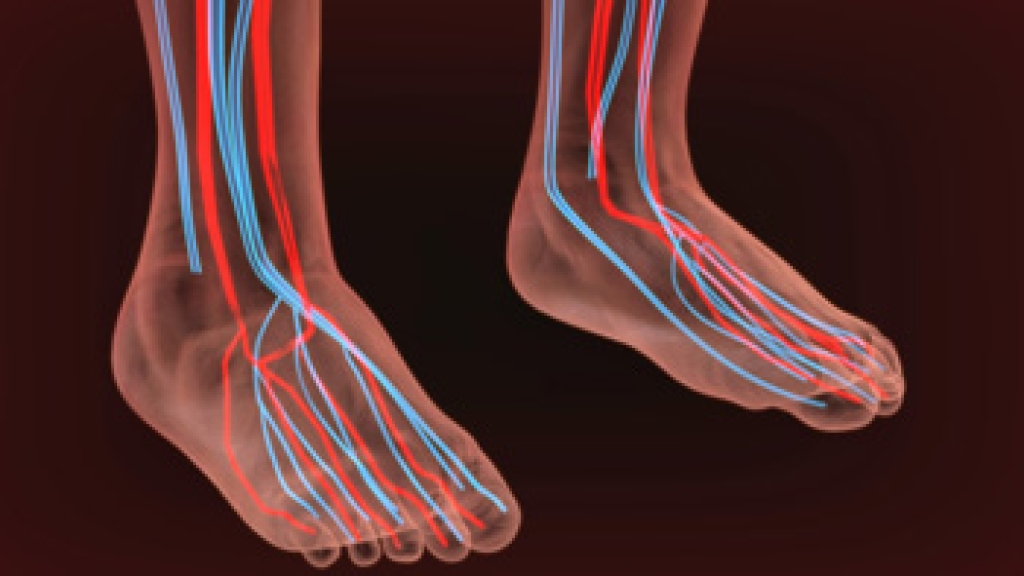
Poor circulation can affect the feet and ankles in ways that make daily life uncomfortable, and, at times, risky. Blood flow depends on arteries and veins, which have different roles. Arteries carry oxygen-rich blood from the heart to the tissues, while veins return blood back to the heart. When arteries are narrowed, the feet may feel cold, painful, or tired, especially during walking. When veins do not work properly, blood can pool in the lower legs, leading to swelling, heaviness, and skin changes. Both problems can increase the risk of slow healing and infection. People may notice discoloration, numbness, or wounds that take longer to improve. A podiatrist can help identify circulation concerns, monitor skin health, and guide care to reduce complications. If you have symptoms of poor circulation such as foot pain, swelling, or slow-healing wounds, it is suggested that you seek care from a podiatrist.

Poor circulation is a serious condition and needs immediate medical attention. If you have any concerns with poor circulation in your feet contact Robert Stein, DPM of South Shore Foot Care. Our doctor will treat your foot and ankle needs.

Poor Circulation in the Feet

Poor blood circulation in the feet and legs is can be caused by peripheral artery disease (PAD), which is the result of a buildup of plaque in the arteries.

Plaque buildup or atherosclerosis results from excess calcium and cholesterol in the bloodstream. This can restrict the amount of blood which can flow through the arteries. Poor blood circulation in the feet and legs are sometimes caused by inflammation in the blood vessels, known as vasculitis.

Causes

Lack of oxygen and oxygen from poor blood circulation restricts muscle growth and development. It can also cause:

  • Muscle pain, stiffness, or weakness 
  • Numbness or cramping in the legs
  • Skin discoloration
  • Slower nail & hair growth
  • Erectile dysfunction

Those who have diabetes or smoke are at greatest risk for poor circulation, as are those who are over 50. If you have poor circulation in the feet and legs it may be caused by PAD and is important to make changes to your lifestyle in order to reduce risk of getting a heart attack or stroke. Exercise and maintaining a healthy lifestyle will dramatically improve conditions.

As always, see a podiatrist as he or she will assist in finding a regimen that suits you. A podiatrist can also prescribe you any needed medication. 

If you have any questions, please feel free to contact our offices located in Cedarhurst and Franklin Square, NY . We offer the newest diagnostic and treatment technologies for all your foot care needs.

Read more about Causes, Symptoms, and Treatment of Poor Blood Circulation in the Feet

Total Contact Casting for Diabetic Foot Ulcers

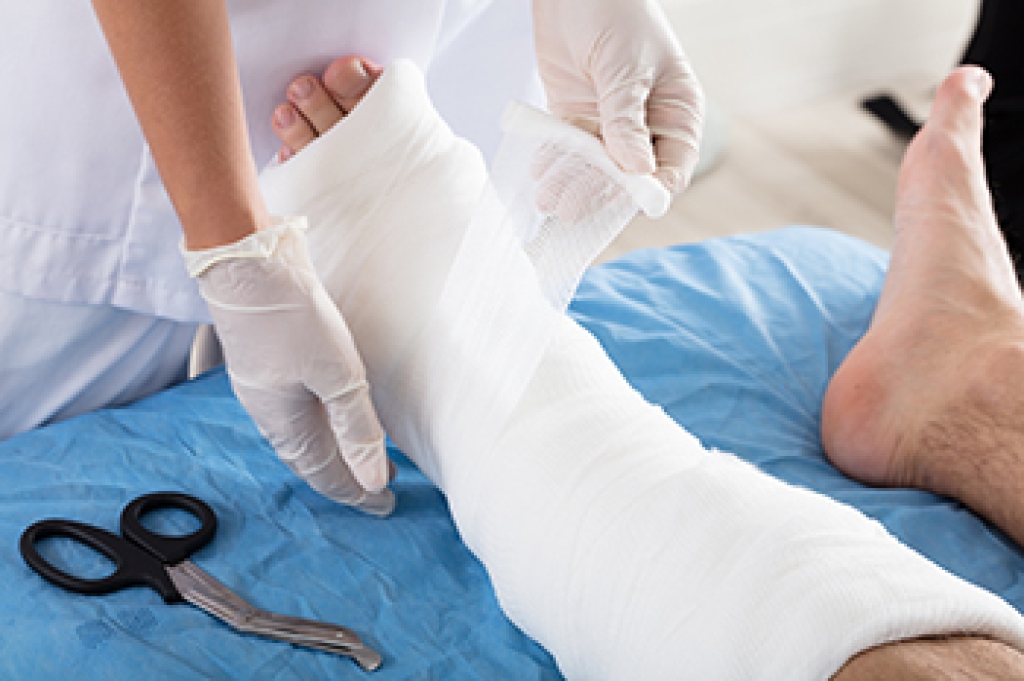
Total contact casting is a specialized treatment used to manage diabetic foot ulcers by distributing pressure evenly across the foot and reducing stress on the wound area. It works by enclosing the foot and lower leg in a carefully molded cast that limits movement and promotes healing through constant contact and offloading pressure. This method is highly effective in encouraging ulcer closure while protecting the affected tissue. Risk factors for poor healing include uncontrolled blood sugar, poor circulation, and prolonged pressure on the foot. A podiatrist plays a key role by applying the cast, monitoring healing progress, and adjusting treatment, as needed. If you have diabetes and have developed a foot ulcer, it is suggested that you are under the care of a podiatrist who can discuss the benefits of this treatment method with you.

Wound care is an important part in dealing with diabetes. If you have diabetes and a foot wound or would like more information about wound care for diabetics, consult with Robert Stein, DPM from South Shore Foot Care. Our doctor will assess your condition and provide you with quality foot and ankle treatment.

What Is Wound Care?

Wound care is the practice of taking proper care of a wound. This can range from the smallest to the largest of wounds. While everyone can benefit from proper wound care, it is much more important for diabetics. Diabetics often suffer from poor blood circulation which causes wounds to heal much slower than they would in a non-diabetic. 

What Is the Importance of Wound Care?

While it may not seem apparent with small ulcers on the foot, for diabetics, any size ulcer can become infected. Diabetics often also suffer from neuropathy, or nerve loss. This means they might not even feel when they have an ulcer on their foot. If the wound becomes severely infected, amputation may be necessary. Therefore, it is of the upmost importance to properly care for any and all foot wounds.

How to Care for Wounds

The best way to care for foot wounds is to prevent them. For diabetics, this means daily inspections of the feet for any signs of abnormalities or ulcers. It is also recommended to see a podiatrist several times a year for a foot inspection. If you do have an ulcer, run the wound under water to clear dirt from the wound; then apply antibiotic ointment to the wound and cover with a bandage. Bandages should be changed daily and keeping pressure off the wound is smart. It is advised to see a podiatrist, who can keep an eye on it.

If you have any questions please contact our offices located in Cedarhurst and Franklin Square, NY . We offer the newest diagnostic and treatment technologies for all your foot and ankle needs.

Read more about Wound Care

Every patient is unique and so are treatments. The information on this website is for educational purposes and each individual
patient care model may differ.