Proudly serving Nassau County, NY for over 35 years

Hammertoe and Its Common Causes

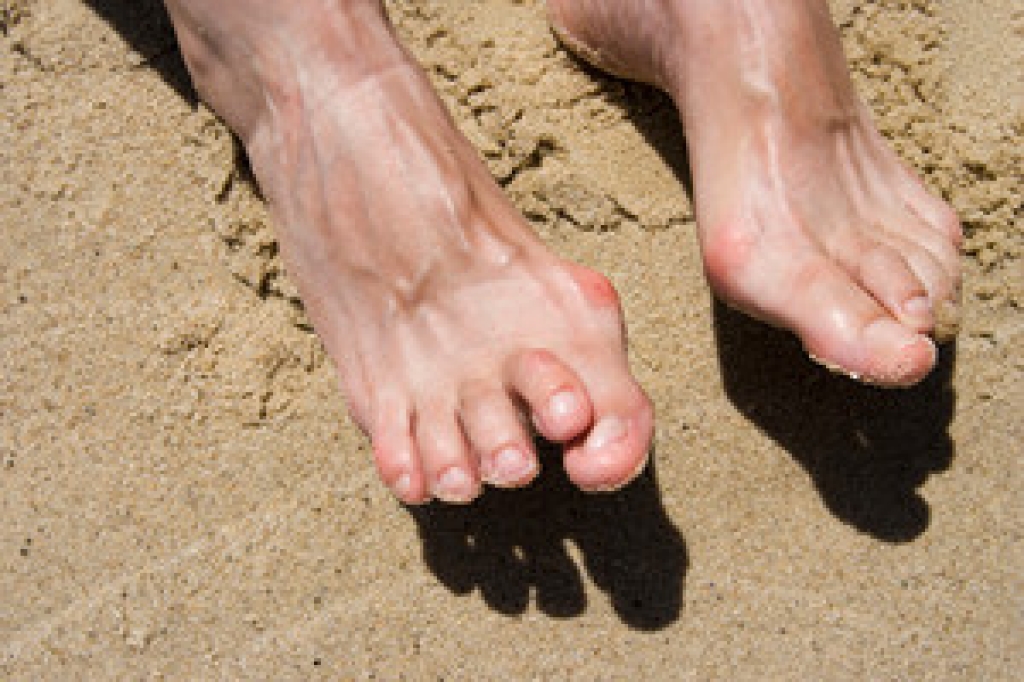
Hammertoe is a foot deformity in which one of the smaller toes bends downward at the middle joint, creating a hammer-like appearance. This condition often develops when the muscles and tendons that control the toe become imbalanced, causing the joint to remain in a bent position. Common causes may include wearing tight or narrow shoes, high-heeled footwear, foot injury, or structural foot imbalance. Symptoms include toe pain, stiffness, swelling, corns, calluses, and difficulty moving the affected toe. Risk factors include long-term shoe pressure, certain inherited foot shapes, and conditions that affect muscle balance. Early evaluation and supportive care may help reduce discomfort, improve alignment, and protect overall foot health and comfortable daily movement. If you have symptoms of hammertoe, it is suggested that you consult a podiatrist who can offer effective relief and management solutions.

Hammertoes can be a painful condition to live with. For more information, contact Robert Stein, DPM of South Shore Foot Care. Our doctor will answer any of your foot- and ankle-related questions.

Hammertoe

Hammertoe is a foot deformity that occurs due to an imbalance in the muscles, tendons, or ligaments that normally hold the toe straight. It can be caused by the type of shoes you wear, your foot structure, trauma, and certain disease processes.

Symptoms

  • Painful and/or difficult toe movement
  • Swelling
  • Joint stiffness
  • Calluses/Corns
  • Physical deformity

Risk Factors

  • Age – The risk of hammertoe increases with age
  • Sex – Women are more likely to have hammertoe compared to men
  • Toe Length – You are more likely to develop hammertoe if your second toe is longer than your big toe
  • Certain Diseases – Arthritis and diabetes may make you more likely to develop hammertoe

Treatment

If you have hammertoe, you should change into a more comfortable shoe that provides enough room for your toes. Exercises such as picking up marbles may strengthen and stretch your toe muscles. Nevertheless, it is important to seek assistance from a podiatrist in order to determine the severity of your hammertoe and see which treatment option will work best for you.

If you have any questions, please feel free to contact our offices located in Cedarhurst and Franklin Square, NY . We offer the newest diagnostic and treatment technologies for all your foot care needs.
Read more about Hammertoe

Aftercare for Bunion Removal

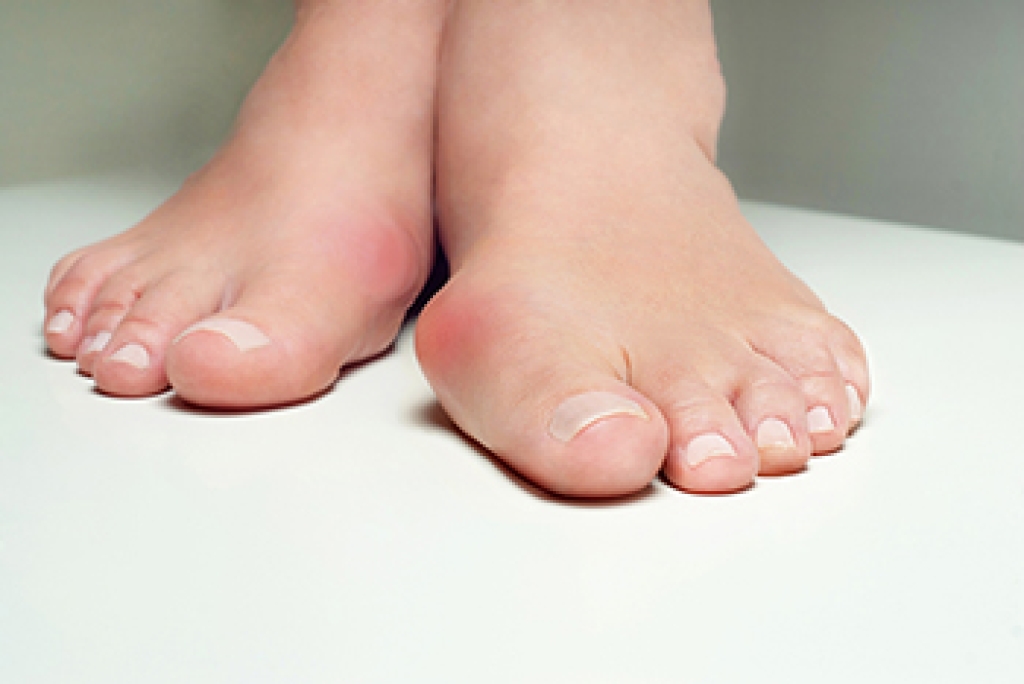
A bunion is a deformity defined as an enlargement of bone or soft tissue at the joint located at the base of the big toe. This condition develops when the top of the big toe gradually shifts toward the other toes, as the bottom of the joint protrudes outward and becomes irritated. Causes include inherited foot structure, prolonged pressure from tight footwear, and abnormal foot mechanics. Symptoms often include pain, swelling, redness, and difficulty wearing certain shoes. In more severe cases, surgery may be recommended to repair the area of enlarged bone or tissue and restore proper joint alignment. Recovery commonly involves temporary pain and swelling, and the bandage must remain dry while showering. If you have a bunion that is interfering with daily activities, it is suggested that you consult a podiatrist who can offer effective treatment solutions, which may include surgery for removal. 

If you are suffering from bunion pain, contact Robert Stein, DPM of South Shore Foot Care. Our doctor can provide the care you need to keep you pain-free and on your feet.

What Is a Bunion?

Bunions are painful bony bumps that usually develop on the inside of the foot at the joint of the big toe. As the deformity increases over time, it may become painful to walk and wear shoes. Women are more likely to exacerbate existing bunions since they often wear tight, narrow shoes that shift their toes together. Bunion pain can be relieved by wearing wider shoes with enough room for the toes.

Causes

  • Genetics – some people inherit feet that are more prone to bunion development
  • Inflammatory Conditions - rheumatoid arthritis and polio may cause bunion development

Symptoms

  • Redness and inflammation
  • Pain and tenderness
  • Callus or corns on the bump
  • Restricted motion in the big toe

In order to diagnose your bunion, your podiatrist may ask about your medical history, symptoms, and general health. Your doctor might also order an x-ray to take a closer look at your feet. Nonsurgical treatment options include orthotics, padding, icing, changes in footwear, and medication. If nonsurgical treatments don’t alleviate your bunion pain, surgery may be necessary.

If you have any questions, please feel free to contact our offices located in Cedarhurst and Franklin Square, NY . We offer the newest diagnostic and treatment technologies for all your foot care needs.
Read more about What Are Bunions?

Cracked Heels and Protecting Foot Health

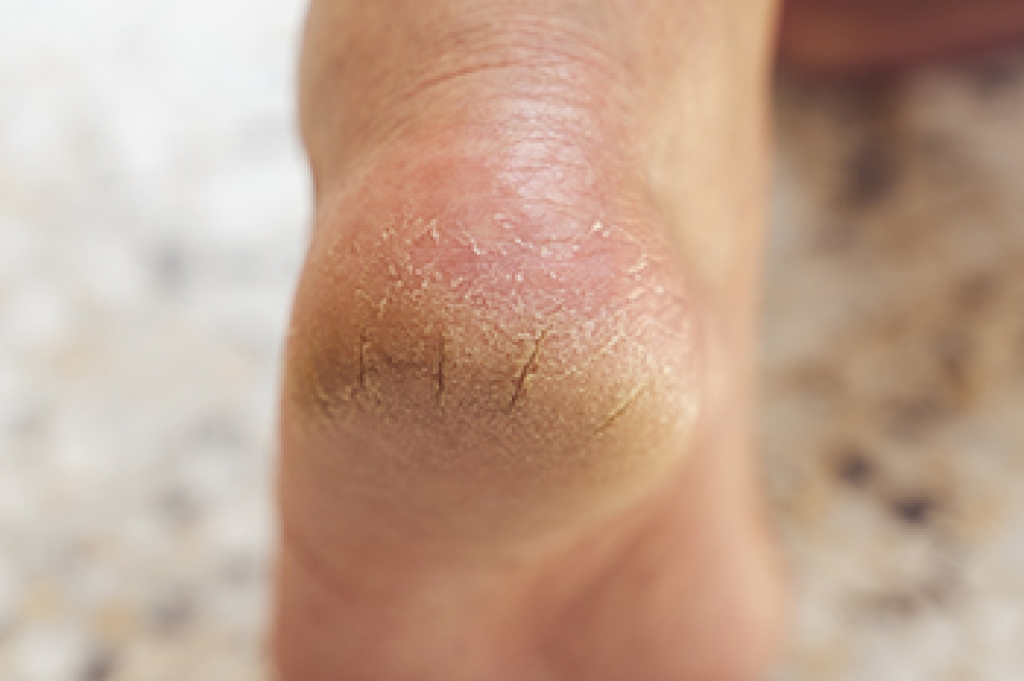
Cracked heels develop when the skin on the heel becomes dry, thickened, and less flexible, leading to splitting of the skin. Several factors may contribute to this condition, including itching from irritated skin, endocrine disease that affects skin health, improper hygiene, and a lack of essential vitamins and minerals that support healthy tissue. Risk factors include prolonged standing, wearing open-backed footwear, excess body weight, and poor skin care habits. Symptoms include dry skin, visible cracks, discomfort while walking, and sometimes redness or inflammation surrounding the heel area. Without proper care, cracks may deepen and become painful. A podiatrist can evaluate the skin, remove thickened tissue, recommend moisturizing treatment, and provide guidance for proper foot care. If you have cracked heels, it is suggested that you consult a podiatrist who can offer effective treatment solutions, which may include prescribed medication.

If the skin on your feet starts to crack, you may want to see a podiatrist to find treatment. If you have any concerns, contact Robert Stein, DPM from South Shore Foot Care. Our doctor can provide the care you need to keep you pain-free and on your feet.

Cracked Heels

It is important to moisturize your cracked heels in order to prevent pain, bleeding, and infection. The reason cracked heels form is because the skin on the foot is too dry to support the immense pressure placed on them. When the foot expands, the dry skin on the foot begins to split.

Ways to Help Heal Them

  • Invest in a good foot cream
  • Try Using Petroleum Jelly
  • Ease up on Soaps
  • Drink Plenty of Water

Ways to Prevent Cracked Heels

  • Moisturize After Showering
  • Skip a Shower
  • Keep Shower Water Lukewarm
  • Don’t Scrub Your Feet

If you are unsure how to proceed in treating cracked heels, seek guidance from a podiatrist. Your doctor will help you with any questions or information you may need. 

If you have any questions, please feel free to contact our offices located in Cedarhurst and Franklin Square, NY . We offer the newest diagnostic and treatment technologies for all your foot care needs.

Read more about Solutions for Cracked Heels

Dealing With Foot Pressure Ulcers

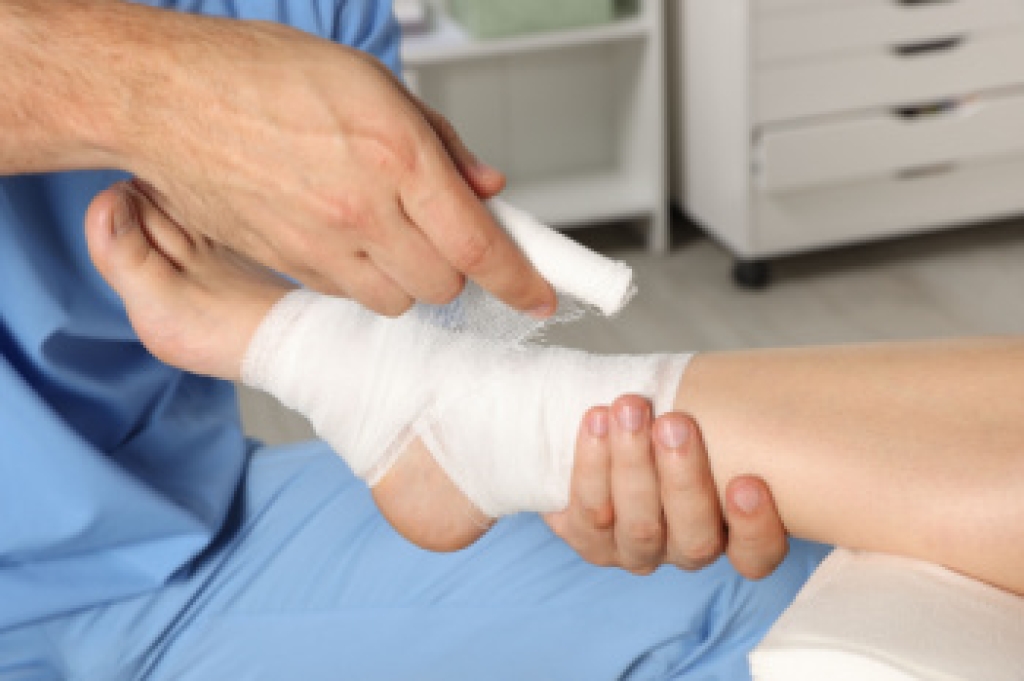
Pressure ulcers on the feet, heels, and ankles are skin injuries caused by constant pressure that reduces blood flow to the area. They are more common in people who spend long periods in bed or in a wheelchair. Early signs include skin that looks red, purple, or blue and does not turn white when pressed. The area may feel warm, firm, or painful. If the pressure continues, the skin can break down and form an open sore, or ulcer. In severe cases, the wound can become deep enough to reach muscle or bone. Risk factors include diabetes, poor circulation, nerve damage, and limited movement. A podiatrist can examine the skin, check blood flow and feeling in the feet, and determine the stage of the ulcer. Treatment involves removing damaged tissue if needed, and applying proper wound dressings and pressure-relieving devices to protect healing tissue. If you have developed pressure ulcers in the lower limbs, it is suggested that you make an appointment with a podiatrist for an exam, diagnosis, and treatment.

Wound care is an important part in dealing with diabetes. If you have diabetes and a foot wound or would like more information about wound care for diabetics, consult with Robert Stein, DPM from South Shore Foot Care. Our doctor will assess your condition and provide you with quality foot and ankle treatment.

What Is Wound Care?

Wound care is the practice of taking proper care of a wound. This can range from the smallest to the largest of wounds. While everyone can benefit from proper wound care, it is much more important for diabetics. Diabetics often suffer from poor blood circulation which causes wounds to heal much slower than they would in a non-diabetic. 

What Is the Importance of Wound Care?

While it may not seem apparent with small ulcers on the foot, for diabetics, any size ulcer can become infected. Diabetics often also suffer from neuropathy, or nerve loss. This means they might not even feel when they have an ulcer on their foot. If the wound becomes severely infected, amputation may be necessary. Therefore, it is of the upmost importance to properly care for any and all foot wounds.

How to Care for Wounds

The best way to care for foot wounds is to prevent them. For diabetics, this means daily inspections of the feet for any signs of abnormalities or ulcers. It is also recommended to see a podiatrist several times a year for a foot inspection. If you do have an ulcer, run the wound under water to clear dirt from the wound; then apply antibiotic ointment to the wound and cover with a bandage. Bandages should be changed daily and keeping pressure off the wound is smart. It is advised to see a podiatrist, who can keep an eye on it.

If you have any questions please contact our offices located in Cedarhurst and Franklin Square, NY . We offer the newest diagnostic and treatment technologies for all your foot and ankle needs.

Read more about Wound Care

Are You Suffering From Ingrown Toenails?

If left untreated, an ingrown toenail can lead to more serious concerns, such as an infection. Knowing proper nail care can help in the prevention of an ingrown toenail. Give us a call, and get treated!

Every patient is unique and so are treatments. The information on this website is for educational purposes and each individual
patient care model may differ.