
Proudly serving Nassau County, NY for over 35 years

How Flip-Flops Affect Your Feet

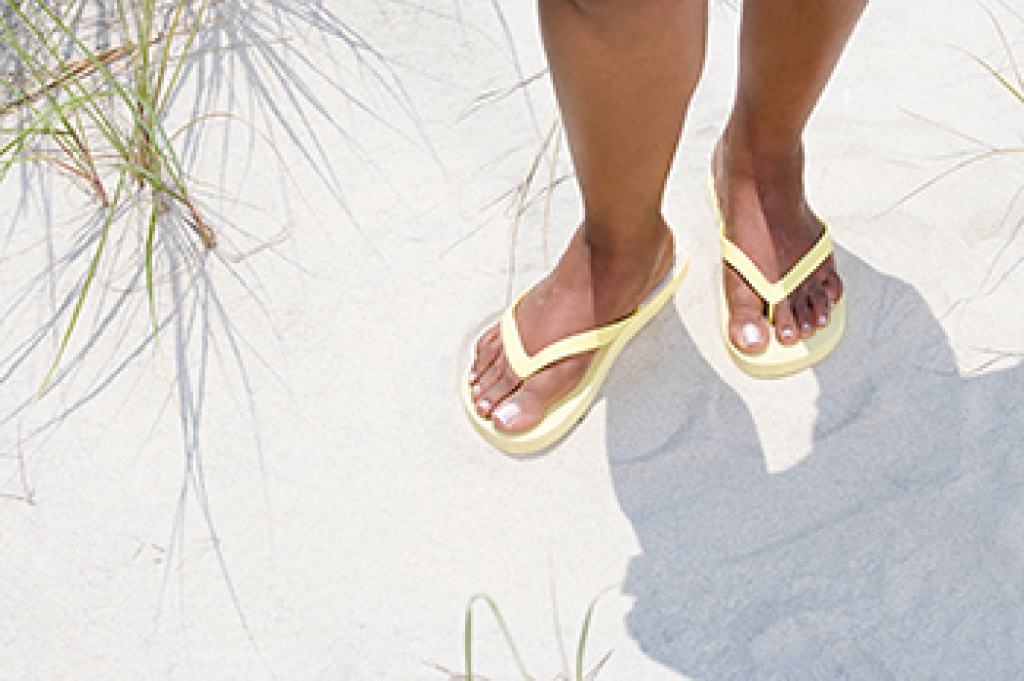
Flip-flops are popular because they are lightweight and easy to wear. However, their simple design may affect how the feet move during walking. Many flip-flops have thin, flexible soles and little support around the heel. Unlike shoes that stay securely attached to the foot, flip-flops often require the toes to grip the sole with each step. This gripping action may change normal walking patterns and increase the work performed by certain foot muscles. Some people also take shorter steps or adjust their stride while wearing them. Although flip-flops may feel comfortable for brief periods, frequent use may place additional demands on the feet. Understanding how this type of footwear influences movement helps explain why shoe choice matters for foot health.


The effects of flip-flops vary depending on their design, how long they are worn, and the individual's foot structure. Limited cushioning may leave the heel less protected from repeated impact on hard surfaces. A lack of arch support may contribute to discomfort in people whose feet need additional stability. Because flip-flops do not hold the heel firmly, the foot may shift while walking, especially on uneven ground. This movement may affect balance and make it easier to stumble. Some individuals notice soreness in the toes or along the bottom of the foot after wearing flip-flops for extended periods. Others experience heel pain or fatigue during activities that involve considerable walking. These symptoms do not occur in everyone, and different flip-flop designs may affect movement differently. Still, persistent discomfort may signal that the footwear is not providing enough support for a person's needs.


A podiatrist evaluates foot pain associated with wearing flip-flops by examining foot alignment, walking patterns, and areas of tenderness. The examination may reveal whether the toes are working excessively to keep footwear in place or whether limited support contributes to discomfort. Podiatric care includes recommendations for footwear with a secure fit, appropriate cushioning, and better stability. When symptoms involve the arch or heel, a podiatrist assesses the underlying structures and develops a treatment plan based on the findings. The goal is to improve comfort while reducing strain during everyday movement. Footwear recommendations depend on the individual's foot shape and activity demands rather than appearance alone. If you are experiencing recurring foot pain or walking discomfort related to wearing flip-flops, it is suggested that you consult a podiatrist for an evaluation and appropriate treatment options.

Flip-flops are not always the best choice of footwear. If you have any concerns about your feet or ankles, contact Robert Stein, DPM from South Shore Foot Care. Our doctor will assist you with all of your foot and ankle needs.

Flip-Flops and Feet

When the weather starts warming up, people enjoy wearing flip-flops.  Flip-flops are comfortable, stylish, and easy to slip on and off; they're perfect for any summer beach goer.  However, these shoes can cause harm to the feet.

How Can Flip-Flops Affect Me Long-Term?

  • Ankle problems
  • Hip problems
  • Lower back problems
  • Pain in the balls of the feet
  • Problems with foot arches
  • Changes in the way you walk

Are There Injuries Associated with Flip-Flops?

Yes.  Since flip-flops are relatively weak and do not provide the same amount of support as sneakers, people who wear flip-flops regularly are more susceptible to injuries. On top of that, the open nature of the shoe makes your feet more prone to other problems, such as cuts and even infections.  Common injuries and ailments include:

  • Sprained ankles
  • Blisters
  • Infections
  • Cuts and Scrapes

I like Wearing Flip-Flops. Are There Safe Alternatives?

When buying flip-flops, try to find ones that have sturdy soles and that are made of high-quality materials that will support for your feet.  These flip-flops will cost more but will also last longer as a result.

If you have any questions, please feel free to contact our offices located in Cedarhurst and Franklin Square, NY . We offer the newest diagnostic and treatment technologies for all your foot care needs.
Read more about Flip Flops and Your Feet

Are Bunions Affecting Your Everyday Life?

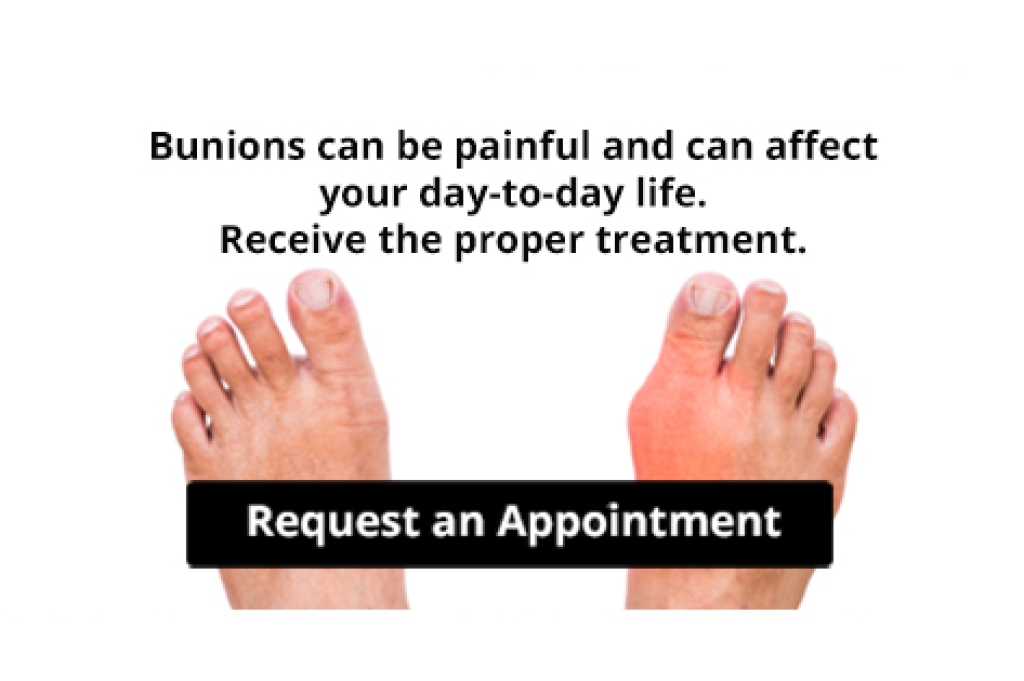
Have you noticed a bony protrusion on the side of your big toe? If so, you may have developed the foot condition known as a bunion. Don't let bunions interfere with your daily activities.

How Arthritis Affects Your Feet

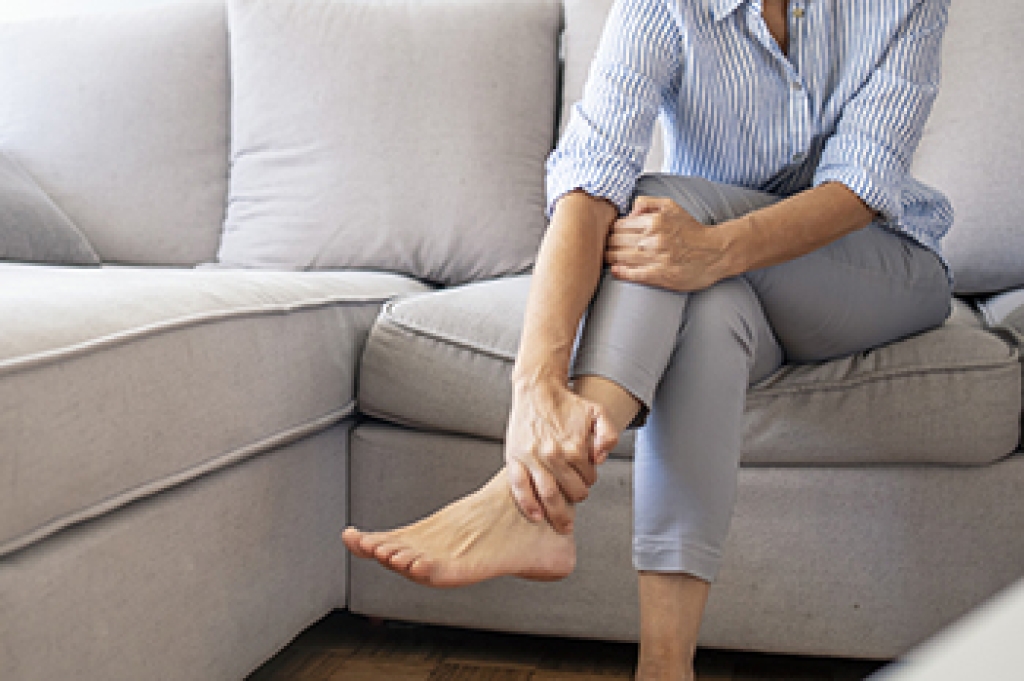
Foot pain develops when arthritis occurs in the joints in the feet, leading to discomfort and difficulty with movement. The feet contain numerous joints that support body weight and allow smooth movement during daily activities. Different types of arthritis affect these joints in different ways. Osteoarthritis occurs when the protective cartilage cushioning the joints gradually wears down, often affecting the big toe or middle of the foot. Rheumatoid arthritis involves inflammation that frequently affects both feet. Gout is another form of arthritis that often causes sudden pain in the big toe. These conditions may interfere with normal foot function and make everyday movement uncomfortable.


Symptoms of foot arthritis include joint pain, stiffness, and swelling. Some individuals experience increased discomfort while walking or standing for extended periods. Arthritis may also cause changes in foot shape, including the development of bunions or hammertoes. As joint inflammation progresses, movement may become more limited, making it difficult to bend the toes or walk comfortably. Excess body weight may place additional pressure on affected joints, increasing discomfort. The severity of symptoms varies, depending on the type of arthritis and the joints involved. Persistent foot pain may gradually interfere with mobility and reduce participation in normal activities.


A podiatrist evaluates arthritic foot pain by examining the affected joints and identifying areas of inflammation or restricted movement. Treatment focuses on relieving discomfort, supporting joint function, and reducing pressure on painful areas. Custom orthotics may be recommended to distribute weight more evenly across the feet and provide additional support. Supportive footwear with proper cushioning and a comfortable fit may also reduce stress on affected joints. In certain cases, targeted injections may be considered to address inflammation and pain. Early care from a podiatrist helps manage symptoms and maintain mobility. If you are experiencing ongoing foot pain or stiffness related to arthritis, it is suggested that you consult a podiatrist for an evaluation and appropriate treatment options.

Arthritis can be a difficult condition to live with. If you are seeking treatment, contact Robert Stein, DPM from South Shore Foot Care. Our doctor can provide the care you need to keep you pain-free and on your feet.

Arthritic Foot Care  

Arthritis is a term that is commonly used to describe joint pain.  The condition itself can occur to anyone of any age, race, or gender, and there are over 100 types of it.  Nevertheless, arthritis is more commonly found in women compared to men, and it is also more prevalent in those who are overweight. The causes of arthritis vary depending on which type of arthritis you have. Osteoarthritis for example, is often caused by injury, while rheumatoid arthritis is caused by a misdirected immune system.

Symptoms

  • Swelling
  • Pain
  • Stiffness
  • Decreased Range of Motion

Arthritic symptoms range in severity, and they may come and go. Some symptoms stay the same for several years but could potentially get worse with time. Severe cases of arthritis can prevent its sufferers from performing daily activities and make walking difficult.

Risk Factors

  • Occupation – Occupations requiring repetitive knee movements have been linked to osteoarthritis
  • Obesity – Excess weight can contribute to osteoarthritis development
  • Infection – Microbial agents can infect the joints and trigger arthritis
  • Joint Injuries – Damage to joints may lead to osteoarthritis
  • Age – Risk increases with age
  • Gender –Most types are more common in women
  • Genetics – Arthritis can be hereditary

If you suspect your arthritis is affecting your feet, it is crucial that you see a podiatrist immediately. Your doctor will be able to address your specific case and help you decide which treatment method is best for you.

If you have any questions please feel free to contact our offices located in Cedarhurst and Franklin Square, NY . We offer the newest diagnostic tools and technology to treat your foot and ankle needs.

Read more about How to Care for Your Arthritic Foot

Every patient is unique and so are treatments. The information on this website is for educational purposes and each individual
patient care model may differ.