Proudly serving Nassau County, NY for over 35 years

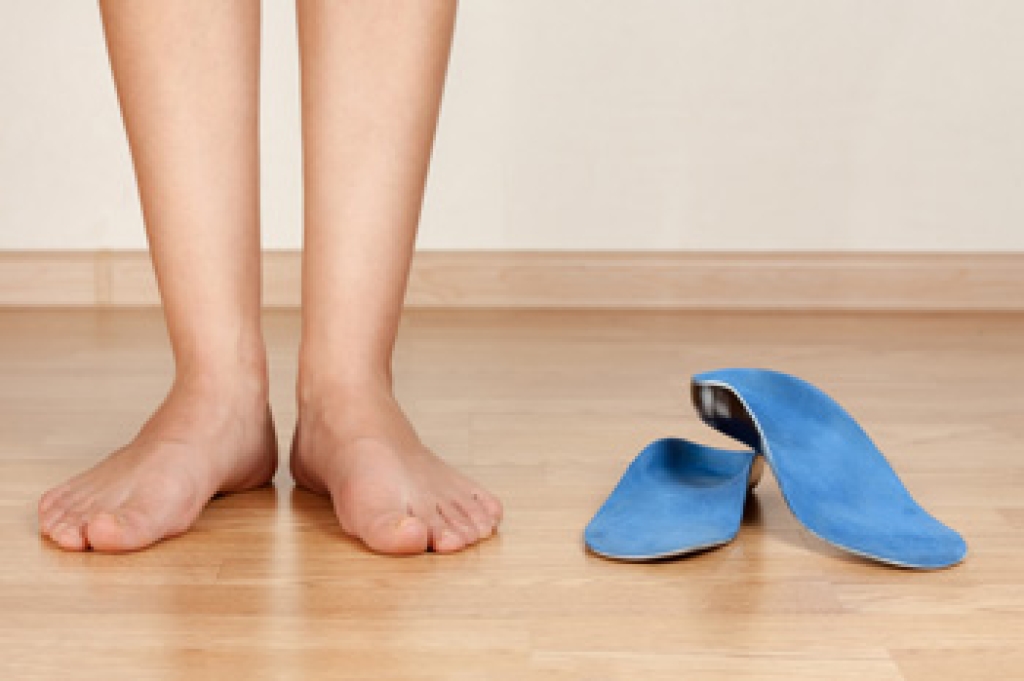
Different Types of Orthotics for Plantar Fasciitis

Plantar fasciitis, an inflammation of the ligament that runs along the bottom of the foot, is a painful condition that can be made better by wearing orthotic insoles. There are several different types of orthotics on the market. Soft orthotics are made of soft materials, such as foam. They are flexible and offer support and cushioning for the foot. Hard orthotics are made of plastic, carbon fiber, or other rigid materials. They are designed to reduce strain on the lower limbs and provide more control over the feet. To figure out which type of orthotic is best for you, it is suggested that you consult with a podiatrist.  

If you are having discomfort in your feet and would like to try orthotics, contact Robert Stein, DPM from South Shore Foot Care. Our doctor can provide the care you need to keep you pain-free and on your feet.

What Are Orthotics?

Orthotics are inserts you can place into your shoes to help with a variety of foot problems such as flat feet or foot pain. Orthotics provide relief and comfort for minor foot and heel pain but can’t correct serious biomechanical problems in your feet.

Over-the-Counter Inserts

Orthotics come in a wide variety of over-the-counter inserts that are used to treat foot pain, heel pain, and minor problems. For example, arch supports can be inserted into your shoes to help correct overarched or flat feet, while gel insoles are often used because they provide comfort and relief from foot and heel pain by alleviating pressure.

Prescription Orthotics

If over-the-counter inserts don’t work for you or if you have a more severe foot concern, it is possible to have your podiatrist prescribe custom orthotics. These high-quality inserts are designed to treat problems such as abnormal motion, plantar fasciitis, and severe forms of heel pain. They can even be used to help patients suffering from diabetes by treating foot ulcers and painful calluses and are usually molded to your feet individually, which allows them to provide full support and comfort.

If you are experiencing minor to severe foot or heel pain, it’s recommended to speak with your podiatrist about the possibilities of using orthotics. A podiatrist can determine which type of orthotic is right for you and allow you to take the first steps towards being pain-free.

If you have any questions, please feel free to contact our offices located in Cedarhurst and Franklin Square, NY . We offer the newest diagnostic and treatment technologies for all your foot care needs.
Read more about Ankle Foot Orthotics for Athletes

Don’t Pop a Blister

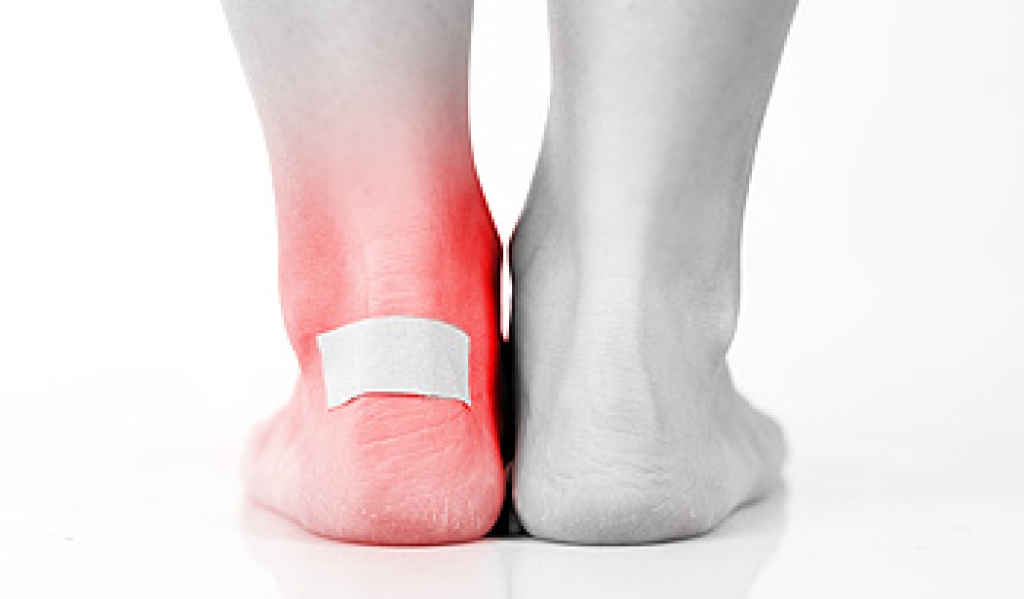
Blisters are small, fluid-filled pockets that form on the skin in response to trauma. Blisters on the feet are typically caused by friction from wearing ill-fitting shoes or exercising, but are also commonly caused by warts, athlete’s foot, and allergic reactions. If you have a blister, it is best to avoid popping it. The fluid inside the blister protects the raw skin underneath it, helping it heal from damage. When a blister is popped, it can be very painful and is more likely to become infected. If your blister has popped on its own, don’t peel off the top layer of skin. Leave it there and cover the blister with a clean bandage to protect it. If your blister is very painful, showing signs of infection, or leaking pus, please seek the care of a podiatrist. 

Blisters are prone to making everyday activities extremely uncomfortable. If your feet are hurting, contact Robert Stein, DPM of South Shore Foot Care. Our doctor can provide the care you need to keep you pain-free and on your feet.

Foot Blisters

Foot blisters develop as a result of constantly wearing tight or ill-fitting footwear. This happens due to the constant rubbing from the shoe, which can often lead to pain.

What Are Foot Blisters?

A foot blister is a small fluid-filled pocket that forms on the upper-most layer of the skin. Blisters are filled with clear fluid and can lead to blood drainage or pus if the area becomes infected.

How Do Blisters Form?

Blisters on the feet are often the result of constant friction of skin and material, usually by shoe rubbing. Walking in sandals, boots, or shoes that don’t fit properly for long periods of time can result in a blister. Having consistent foot moisture and humidity can easily lead to blister formation.

Prevention & Treatment

It is important to properly care for the affected area in order to prevent infection and ease the pain. Do not lance the blister and use a Band-Aid to provide pain relief. Also, be sure to keep your feet dry and wear proper fitting shoes. If you see blood or pus in a blister, seek assistance from a podiatrist.

If you have any questions, please feel free to contact our offices located in Cedarhurst and Franklin Square, NY . We offer the newest diagnostic and treatment technologies for all your foot care needs.

Read more about Blisters

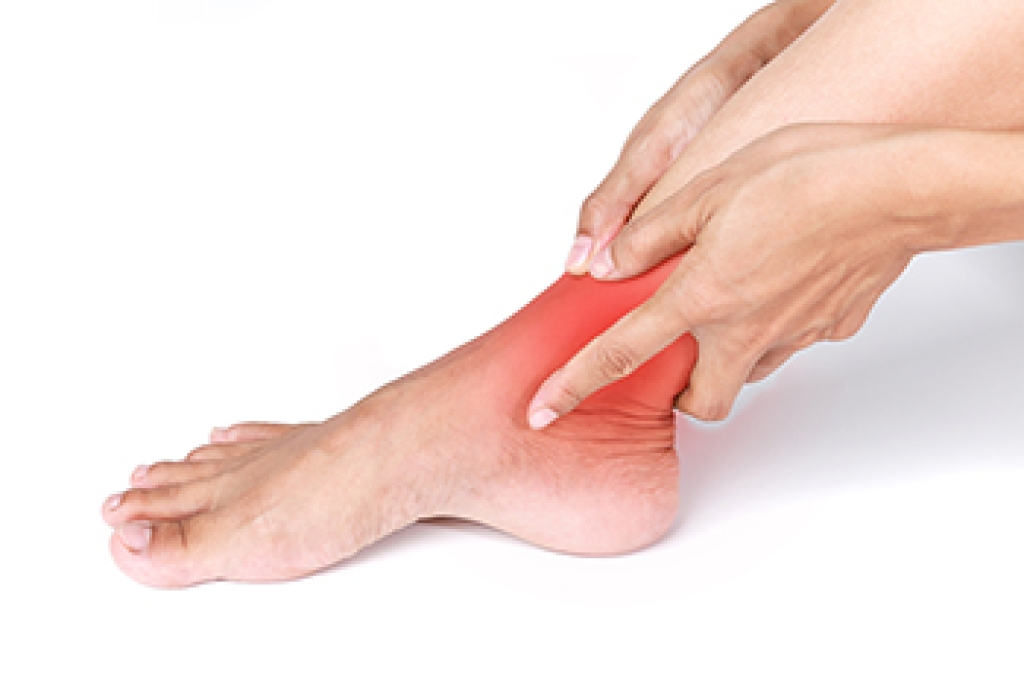
Why Is My Ankle in Pain?

Ankle pain can be caused by a variety of factors. For instance, you may have an ankle sprain or fracture. Ankle sprains occur when ligaments that support the ankle get stretched or torn, and fractures are actual breaks in one or more bones that make up the ankle joint. Pain in the ankle may also be caused by gout, rheumatoid arthritis, osteoarthritis and other types of arthritis which affect the ankle joint. There are other conditions such as nerve injuries, heel injuries, and blockages in blood vessels that may produce ankle pain. Pain due to tarsal tunnel syndrome (a compression of the tibial nerve in the tarsal tunnel) can be felt anywhere along the nerve, including the ankle. There may be painful damage to the cartilage or tendons in the ankle. If you are feeling pain in your ankle, get your condition evaluated and diagnosed by a podiatrist who can also create a treatment plan based on their findings.

Ankle pain can have many different causes and the pain may potentially be serious. If you have ankle pain, consult with Robert Stein, DPM from South Shore Foot Care. Our doctor will assess your condition and provide you with quality foot and ankle treatment.

Ankle pain is any condition that causes pain in the ankle. Due to the fact that the ankle consists of tendons, muscles, bones, and ligaments, ankle pain can come from a number of different conditions.

Causes

The most common causes of ankle pain include:

  • Types of arthritis (rheumatoid, osteoarthritis, and gout)
  • Ankle sprains
  • Broken ankles
  • Achilles tendinitis
  • Achilles tendon rupture
  • Stress fractures
  • Tarsal tunnel syndrome
  • Plantar fasciitis

Symptoms

Symptoms of ankle injury vary based upon the condition. Pain may include general pain and discomfort, swelling, aching, redness, bruising, burning or stabbing sensations, and/or loss of sensation.

Diagnosis

Due to the wide variety of potential causes of ankle pain, podiatrists will utilize a number of different methods to properly diagnose ankle pain. This can include asking for personal and family medical histories and of any recent injuries. Further diagnosis may include sensation tests, a physical examination, and potentially x-rays or other imaging tests.

Treatment

Just as the range of causes varies widely, so do treatments. Some more common treatments are rest, ice packs, keeping pressure off the foot, orthotics and braces, medication for inflammation and pain, and surgery.

If you have any questions please feel free to contact our offices located in Cedarhurst and Franklin Square, NY . We offer the newest diagnostic tools and technology to treat your foot and ankle needs.

Read more about Ankle Pain

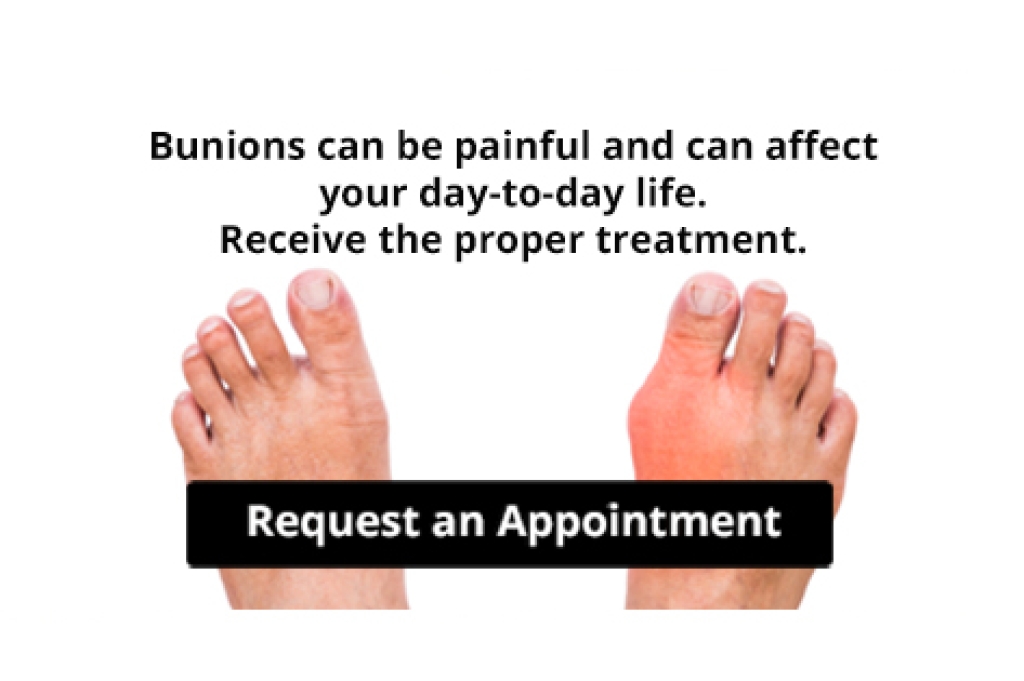
Are Bunions Affecting Your Everyday Life?

Have you noticed a bony protrusion on the side of your big toe? If so, you may have developed the foot condition known as a bunion. Don't let bunions interfere with your daily activities.

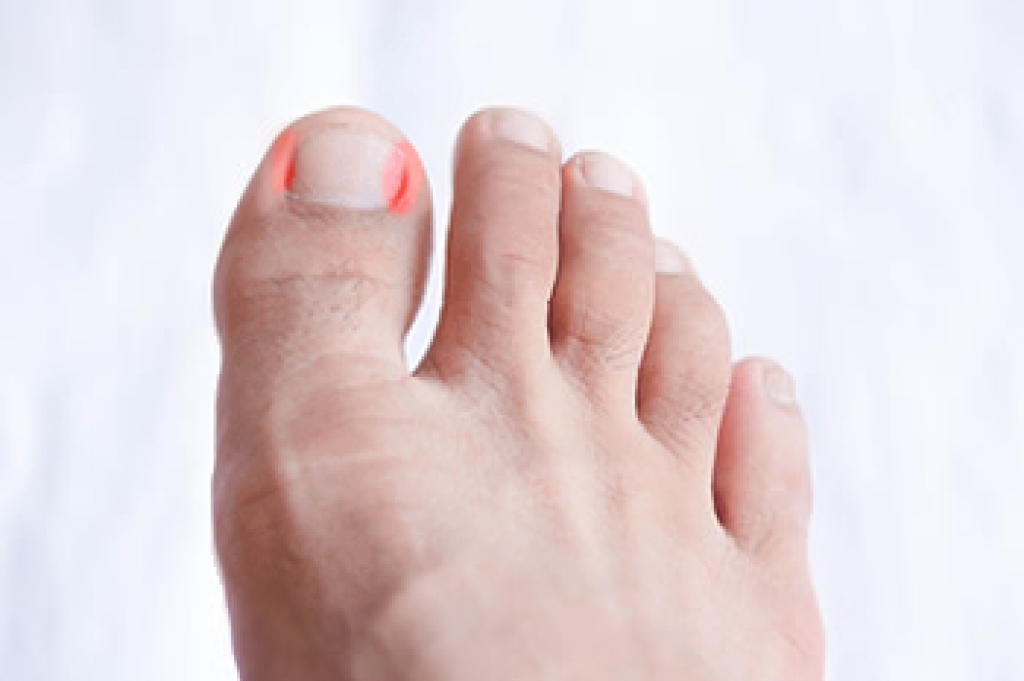
What Is an Ingrown Toenail?

When the toenail curls downwards and into the skin surrounding the nail, it is referred to as an ingrown toenail.  Common signs of an ingrown toenail include pain, redness, and swelling. Ingrown toenails can become infected if they are not treated. Ingrown toenails can form from a variety of reasons, such as shoes that are too tight, not properly trimming the toenails, excessively sweaty feet, or trauma to the toe. Patients who are struggling with an ingrown toenail may be able to find relief by soaking their feet in warm water for around 15 minutes a few times a day. However, ingrown toenails that persist should be looked at by a podiatrist in order to prevent an infection.   

Ingrown toenails can become painful if they are not treated properly. For more information about ingrown toenails, contact Robert Stein, DPM of South Shore Foot Care. Our doctor can provide the care you need to keep you pain-free and on your feet.

Ingrown Toenails

Ingrown toenails occur when a toenail grows sideways into the bed of the nail, causing pain, swelling, and possibly infection.

Causes

  • Bacterial infections
  • Improper nail cutting such as cutting it too short or not straight across
  • Trauma to the toe, such as stubbing, which causes the nail to grow back irregularly
  • Ill-fitting shoes that bunch the toes too close together
  • Genetic predisposition

Prevention

Wearing proper fitting shoes and using proper cutting techniques will also help decrease your risk of developing ingrown toenails.

Treatment

Ingrown toenails are a very treatable foot condition. In minor cases, soaking the affected area in salt or antibacterial soaps will not only help with the ingrown nail itself, but also help prevent any infections from occurring. In more severe cases, surgery is an option. In either case, speaking to your podiatrist about this condition will help you get a better understanding of specific treatment options that are right for you.

If you have any questions, please feel free to contact our offices located in Cedarhurst and Franklin Square, NY . We offer the newest diagnostic and treatment technologies for all your foot care needs.

Read more about Ingrown Toenails

Every patient is unique and so are treatments. The information on this website is for educational purposes and each individual
patient care model may differ.