
Proudly serving Nassau County, NY for over 35 years

Foot Pain Caused by Diabetes

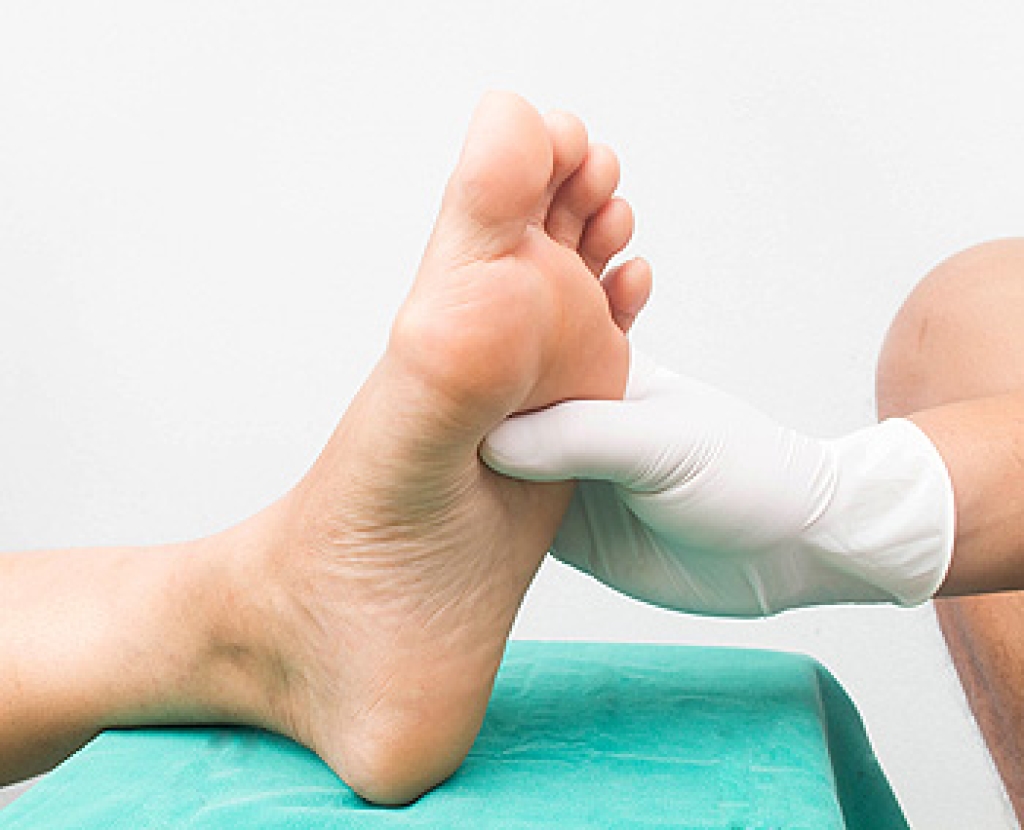
Foot pain caused by diabetes can develop for several reasons and should not be ignored. Diabetes can affect nerves and blood vessels, making the feet more vulnerable to injury and slower healing. One important complication is loss of protective sensation, commonly called LOPS. This can occur when nerve damage reduces the ability to feel pain, pressure, or injury normally. A person may have a small cut, blister, or sore without realizing it. Symptoms of diabetic foot problems can include burning, tingling, or changes in skin color and temperature.

Wearing tight shoes can create pressure points that lead to blisters, calluses, or corns. When LOPS is present, a person may not feel the discomfort that would normally signal a problem. Stepping on a sharp object can also cause an injury that goes unnoticed. Diabetes may further increase the risk of infection and delayed wound healing. Peripheral artery disease, or PAD, is another concern. PAD develops when narrowed or blocked arteries reduce blood flow to the legs and feet. Reduced circulation can make it harder for damaged tissue to receive the oxygen and nutrients needed for healing.


Risk factors for diabetic foot complications include poorly controlled blood sugar, LOPS, and wearing footwear that does not fit properly. A podiatrist can help reduce these risks through regular foot examinations. During an evaluation, the podiatrist may check protective sensation, circulation, and areas of pressure. The podiatrist may also recommend appropriate diabetic footwear.


Protecting diabetic feet requires consistent attention. Check your feet regularly for cuts, redness, or other changes, and avoid walking barefoot when sensation is reduced. Prompt treatment can reduce the risk of complications and support healthier feet. If diabetes is causing foot pain, numbness, or other concerning changes, it is suggested that you are under the care of a podiatrist who can help you to manage this serious condition.

Foot Pain

Foot pain can be extremely painful and debilitating. If you have a foot pain, consult with Robert Stein, DPM from South Shore Foot Care. Our doctor will assess your condition and provide you with quality foot and ankle treatment.

Causes

Foot pain is a very broad condition that could be caused by one or more ailments. The most common include:

  • Bunions
  • Hammertoes
  • Plantar Fasciitis
  • Bone Spurs
  • Corns
  • Tarsal Tunnel Syndrome
  • Ingrown Toenails
  • Arthritis (such as Gout, Rheumatoid, and Osteoarthritis)
  • Flat Feet
  • Injury (from stress fractures, broken toe, foot, ankle, Achilles tendon ruptures, and sprains)
  • And more

Diagnosis

To figure out the cause of foot pain, podiatrists utilize several different methods. This can range from simple visual inspections and sensation tests to X-rays and MRI scans. Prior medical history, family medical history, and any recent physical traumatic events will all be taken into consideration for a proper diagnosis.

Treatment

Treatment depends upon the cause of the foot pain. Whether it is resting, staying off the foot, or having surgery; podiatrists have a number of treatment options available for foot pain.

If you have any questions, please feel free to contact our offices located in Cedarhurst and Franklin Square, NY . We offer the newest diagnostic and treatment technologies for all your foot care needs.
Read more about Foot Pain

Swollen Feet During Pregnancy

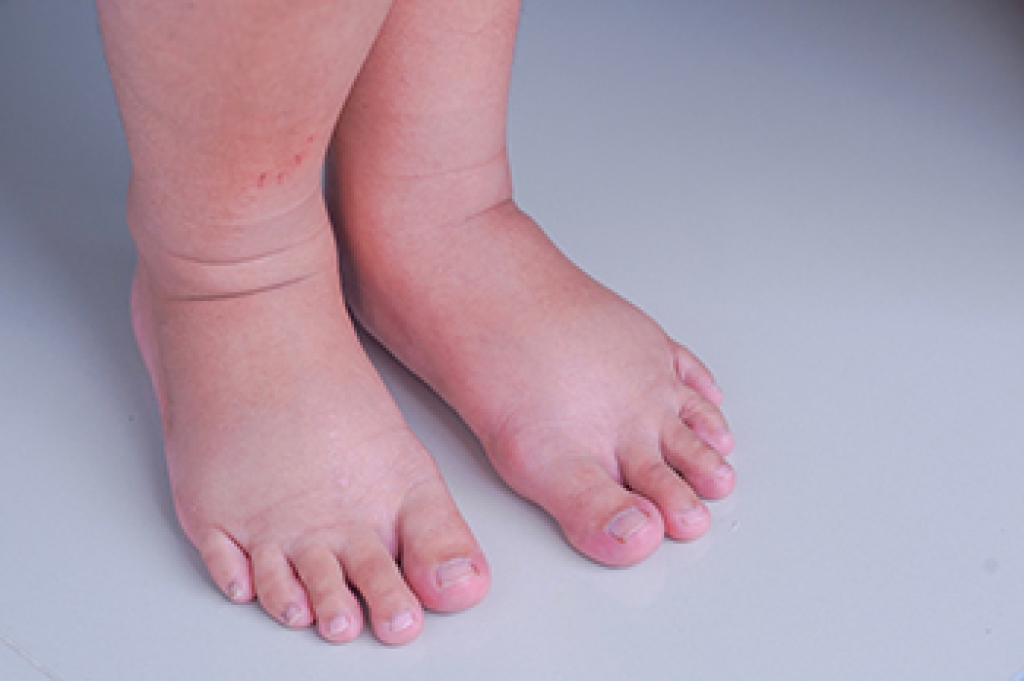
Swollen feet are common during pregnancy, especially as the day comes to an end. This swelling, called edema, happens when the body holds more water than usual. Extra fluid can gather in the lower part of the body because gravity pulls it downward. Additionally, a growing womb can place pressure on blood vessels, making it harder for blood and fluid to return from the legs. Feet and ankles may look puffy.

Several pregnancy changes can increase the risk of swollen feet. Standing for long periods of time can encourage fluid to collect around the ankles. Warm weather, body weight and less movement may also contribute. Swelling is often more noticeable late in pregnancy. Although mild swelling can be normal, sudden or severe swelling needs prompt medical attention. Swelling with severe headache, vision changes, or shortness of breath should be evaluated because these symptoms can signal a complication.


You can take simple steps to manage pregnancy-related foot swelling. Avoid standing for long periods of time, and change positions regularly. When resting, elevate your feet when possible. Gentle foot exercises can help circulation. Rotate your feet in circles, then point and flex each foot. Comfortable shoes can reduce pressure. A podiatrist can examine your feet and ankles, review your symptoms, and determine whether another foot condition is contributing. Treatment may include footwear recommendations or activity guidance.


Pregnancy swelling usually improves with rest and after delivery, but persistent discomfort should not be ignored. Keep track of when swelling appears and whether one foot becomes more swollen. A podiatrist can monitor changes and recommend care. If your feet are swollen during pregnancy and are causing difficulty in completing daily activities, it is suggested that you consult a podiatrist for effective relief and management solutions.

Swollen feet can be a sign of an underlying condition. If you have any concerns, contact Robert Stein, DPM of South Shore Foot Care. Our doctor can provide the care you need to keep you pain-free and on your feet.

Swollen feet are a common ailment among pregnant women and people who stand or sit for extended periods. Aging may increase the possibility of swollen feet and patients who are obese often notice when their feet are swelling too. There may be medical reasons why swollen feet occur:

  • Phlebitis - A condition that causes the veins to become inflamed and can also cause leg pain.
  • Liver disease - This may lead to low blood levels of albumin which is a protein. This can cause fluid in the blood to pass into the tissues and several areas of the body can become swollen.
  • Heart failure - When the heart doesn’t pump properly the blood that is normally pumped back to the heart can pool in the veins of the legs causing swollen feet.
  • Kidney disease - One of the main functions of the kidneys is releasing excess fluid in the body. This type of condition can make it difficult for the kidneys to function properly, and as a result the feet may become swollen.
  • Deep-vein thrombosis (DVT)- This is a serious condition where blood clots form in the veins of the legs. They can block the return of blood from the legs to the heart which may cause the feet to swell. It is important to be treated by a podiatrist if this condition is present.

Swollen feet can also be caused by bone and tendon conditions, including fractures, arthritis, and tendinitis. Additionally, there may be skin and toenail conditions and an infection may cause the feet to swell. Patients who take medicine to treat high blood pressure may be prone to getting swollen feet. 

Many patients elevate their feet to help relieve the swelling and this is generally a temporary remedy. When a podiatrist is consulted the reason behind the swelling can be uncovered and subsequently treated.

If you have any questions please contact our offices located in Cedarhurst and Franklin Square, NY . We offer the newest diagnostic and treatment technologies for all your foot and ankle needs.

Read more about Swelling of the Feet

Signs You May Have Athlete’s Foot

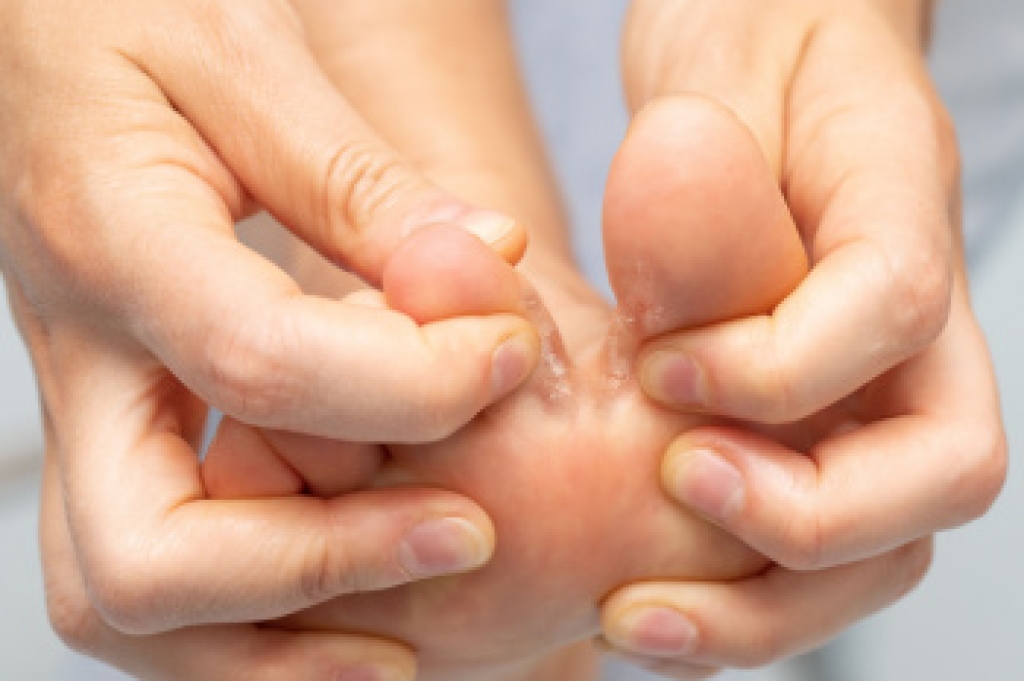
Athlete’s foot is a contagious fungal infection that affects the skin of the feet. It often develops between the toes or on the soles. Symptoms include itching, burning, and scaly skin. The skin may also peel, crack, or form blisters. Some patients notice an odor or areas that look lighter than the surrounding skin. The infection can spread to the toenails, causing them to become thick, discolored, or brittle. Cracked skin can invite a bacterial infection.

The athlete’s foot fungus thrives in warm, dark, and damp places. It can spread through direct contact with infected skin or through contaminated surfaces. Locker-room floors, shared showers, and swimming-pool areas are frequent sources of exposure. Shoes that trap heat and moisture can also encourage fungal growth. Risk rises when feet sweat heavily or remain damp for long periods. A podiatrist can examine the affected skin and determine whether athlete’s foot is causing the symptoms. This evaluation is important because eczema and other skin problems can produce a similar rash. Testing a small skin sample can help confirm the diagnosis when the cause is unclear.

A podiatrist develops a treatment plan based on the location and severity of the infection. Care includes professional guidance on keeping the feet clean and dry. The podiatrist can also explain how to reduce moisture inside shoes and prevent the fungus from spreading. Patients should avoid sharing towels, socks, or shoes with other people. Waterproof sandals can help protect the feet in public showers and locker rooms. Fresh socks and breathable shoes also reduce trapped moisture. People with diabetes, poor circulation, or a weakened immune system should seek prompt care because broken skin can lead to serious complications. If you have symptoms of an athlete's foot infection, it is suggested that you schedule an appointment with a podiatrist for diagnosis and appropriate treatment, which may include prescribed medication.

Athlete’s foot is an inconvenient condition that can be easily reduced with the proper treatment. If you have any concerns about your feet and ankles, contact Robert Stein, DPM from South Shore Foot Care.  Our doctor will treat your foot and ankle needs.

Athlete’s Foot: The Sole Story

Athlete's foot, also known as tinea pedis, can be an extremely contagious foot infection. It is commonly contracted in public changing areas and bathrooms, dormitory style living quarters, around locker rooms and public swimming pools, or anywhere your feet often come into contact with other people.

Solutions to Combat Athlete’s Foot

  • Hydrate your feet by using lotion
  • Exfoliate
  • Buff off nails
  • Use of anti-fungal products
  • Examine your feet and visit your doctor if any suspicious blisters or cuts develop

Athlete’s foot can cause many irritating symptoms such as dry and flaking skin, itching, and redness. Some more severe symptoms can include bleeding and cracked skin, intense itching and burning, and even pain when walking. In the worst cases, Athlete’s foot can cause blistering as well. Speak to your podiatrist for a better understanding of the different causes of Athlete’s foot, as well as help in determining which treatment options are best for you.

If you have any questions please feel free to contact our offices located in Cedarhurst and Franklin Square, NY . We offer the newest diagnostic and treatment technologies for all your foot and ankle needs.

Read more about Athlete's Foot

Do Your Child's Feet Hurt?

Have your child's feet been examined lately? Healthy feet are happy feet. If your child is complaining of foot pain, it may be a sign of underlying problems.

Every patient is unique and so are treatments. The information on this website is for educational purposes and each individual
patient care model may differ.